Four Key Dimensions to Understand Interlinings
I .Classified by Textile Structure: Woven Interlining vs. Non-Woven Interlining
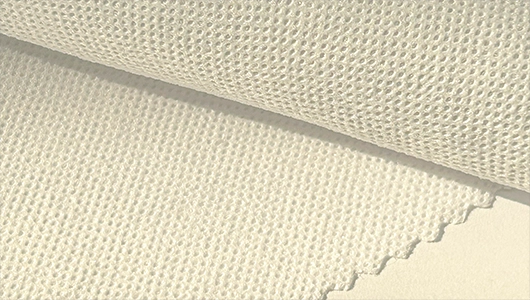
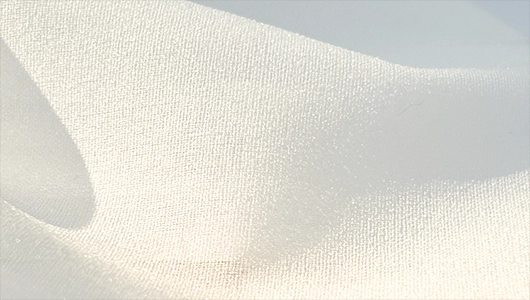
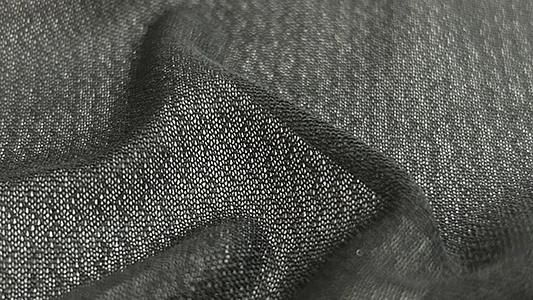
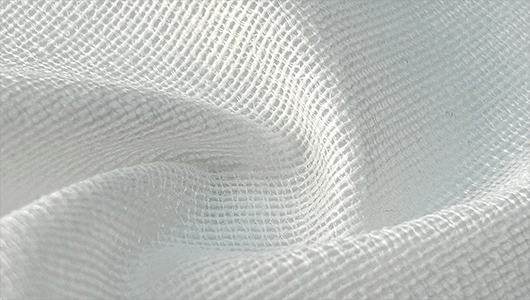
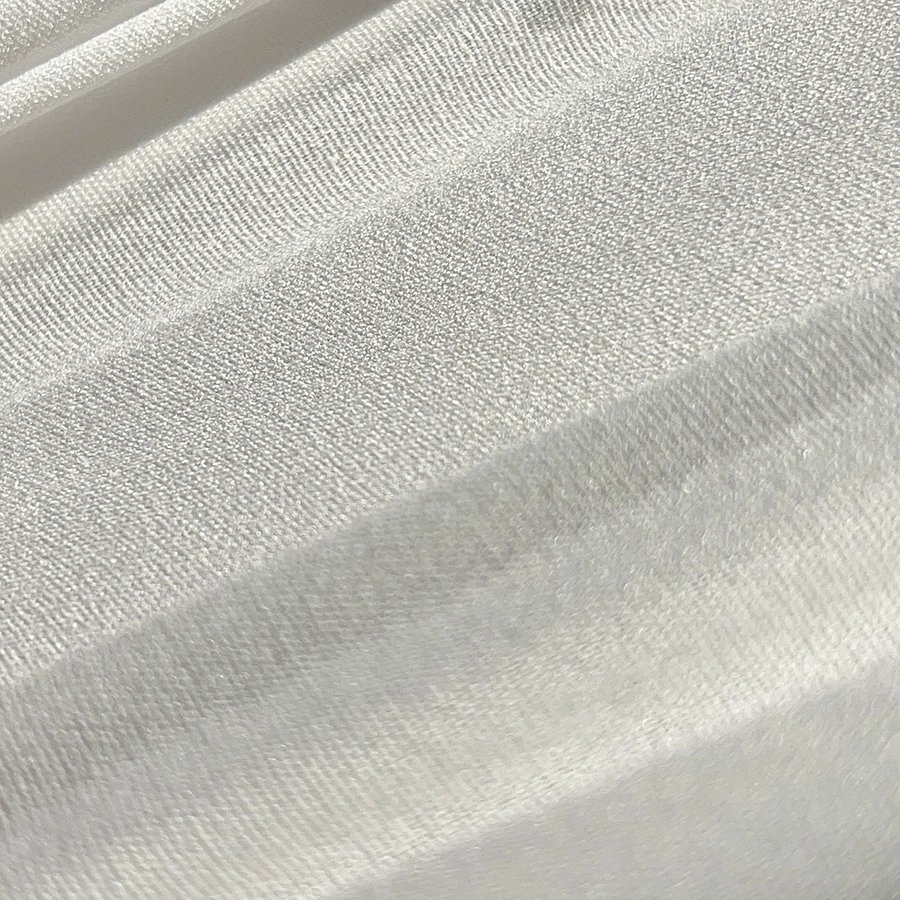
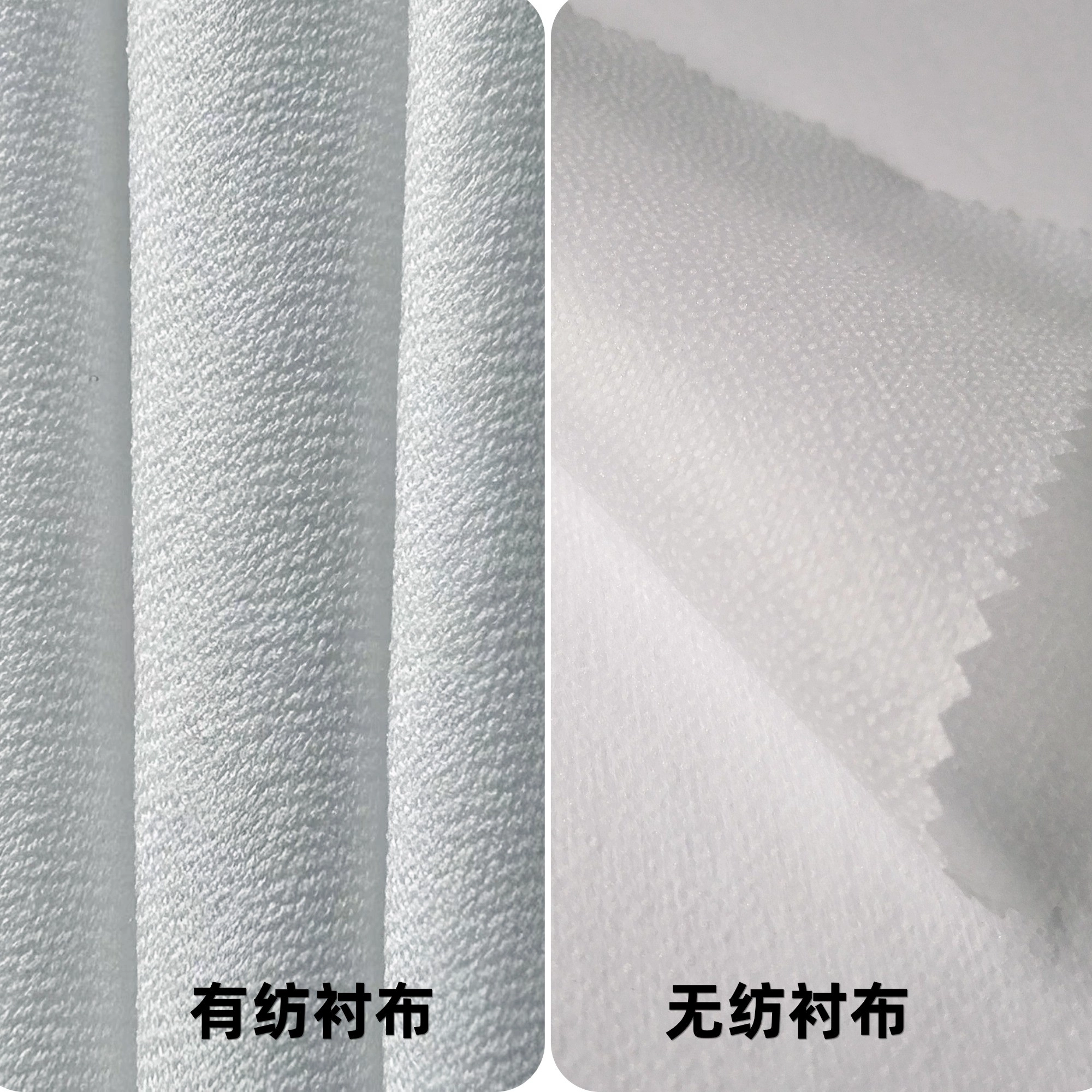
- Woven Interlining: Similar to traditional fabrics, with warp and weft threads interwoven. Characteristics: Stable, strong support, and wash-resistant.
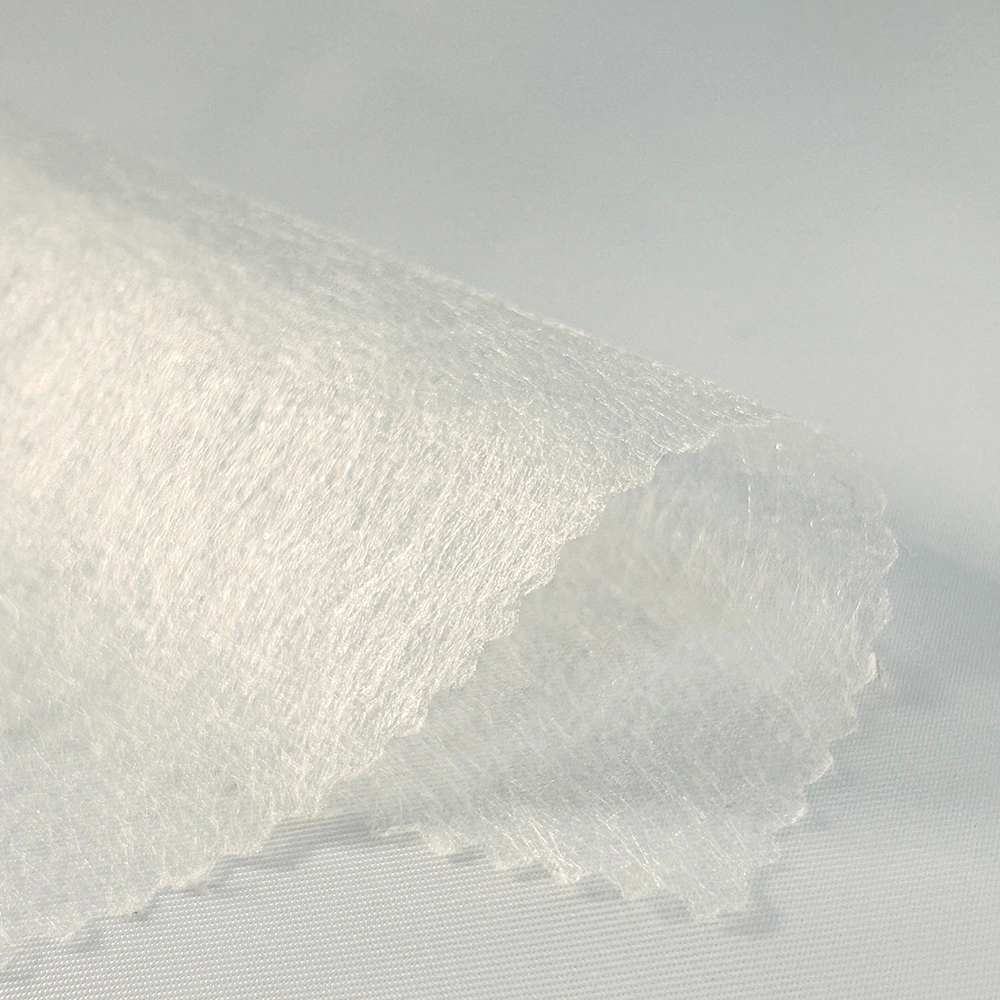
- Non-Woven Interlining: Made by directly bonding fibers. Characteristics: Lightweight, soft, thin, and cost-effective.
Recommendations: Woven interlining is used for areas requiring strong support, such as shirt collars and suit fronts. Non-woven interlining is suitable for large-area parts that need to be lightweight and soft, like the binding of dresses and linings of children's clothing.China SHENGHONG Woven Interlining Manufacturers
II. Classified by Adhesion Method: Fusible Interlining vs. Non-Fusible Interlining
- Fusible Interlining: Has hot-melt adhesive on the back, which adheres when heated with an iron.
- Non-Fusible Interlining: Needs to be fixed by hand sewing.
Recommendations: Fusible interlining is the first choice for mass-produced ready-to-wear garments due to its high efficiency and suitability for most scenarios. Non-fusible interlining is used for high-end custom suits (full linen interlining) and silk fabrics, as it offers excellent breathability and highlights craftsmanship.
III. Classified by Hand Feel & Hardness: Hard Interlining vs. Soft Interlining
- Hard Interlining (High D-value): Provides excellent shaping effect and strong support.
- Soft Interlining (Low D-value): Soft and conforming, preserving the fabric's drape.
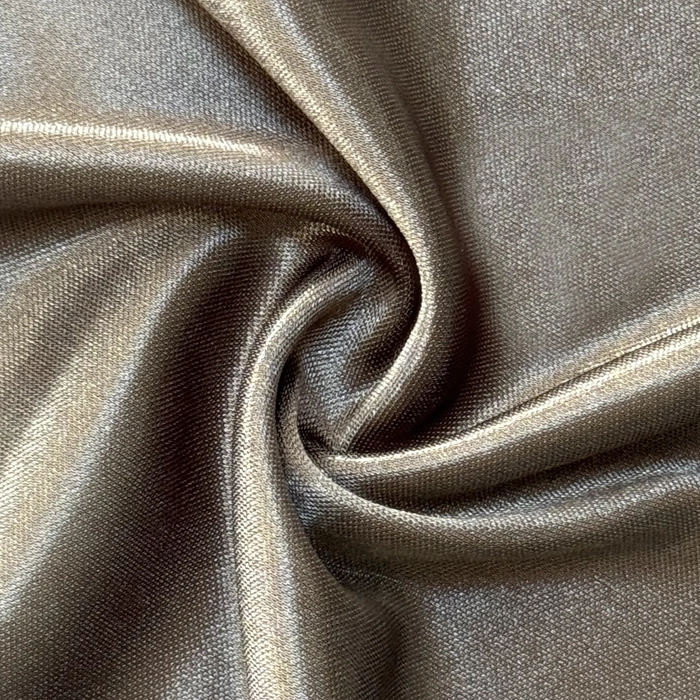
Recommendations: Hard interlining is used for suit chest linings, hat brims, and workwear pockets. Soft interlining is suitable for silk shirts and close-fitting clothing.China Shenghong Resin Interlining Factory
IV. Classified by Material Composition: Cotton Interlining vs. Polyester Interlining
- Cotton Interlining: Skin-friendly, breathable, and high-temperature resistant.
- Polyester Interlining: Stable, wrinkle-resistant, and non-shrinking.
Recommendations: Cotton interlining is often used for infant clothing and is an ideal choice for high-end cotton shirts. Polyester interlining is a perfect match for workwear, protective clothing, and quick-drying garments.
Interlining Selection Guide by Garment Category
Guide to Choosing Interlinings for Shirts
| Shirt Type |
Core Interlining |
Weight (D-value) Range |
Key Interlined Areas |
| Lightweight Shirts (Poplin, Gauze) |
Woven Fusible Interlining |
30D - 50D |
Collar, Cuffs, Placket, Collar Stand |
| Heavyweight Shirts (Oxford, Denim) |
Woven Fusible Interlining / Resin Interlining (High-end) |
50D - 80D |
Collar, Cuffs, Placket, Collar Stand |
Guide to Choosing Interlinings for Suits/Coats
| Garment Type |
Core Interlining |
Weight (D-value) Range |
Key Interlined Areas |
| Regular Suits |
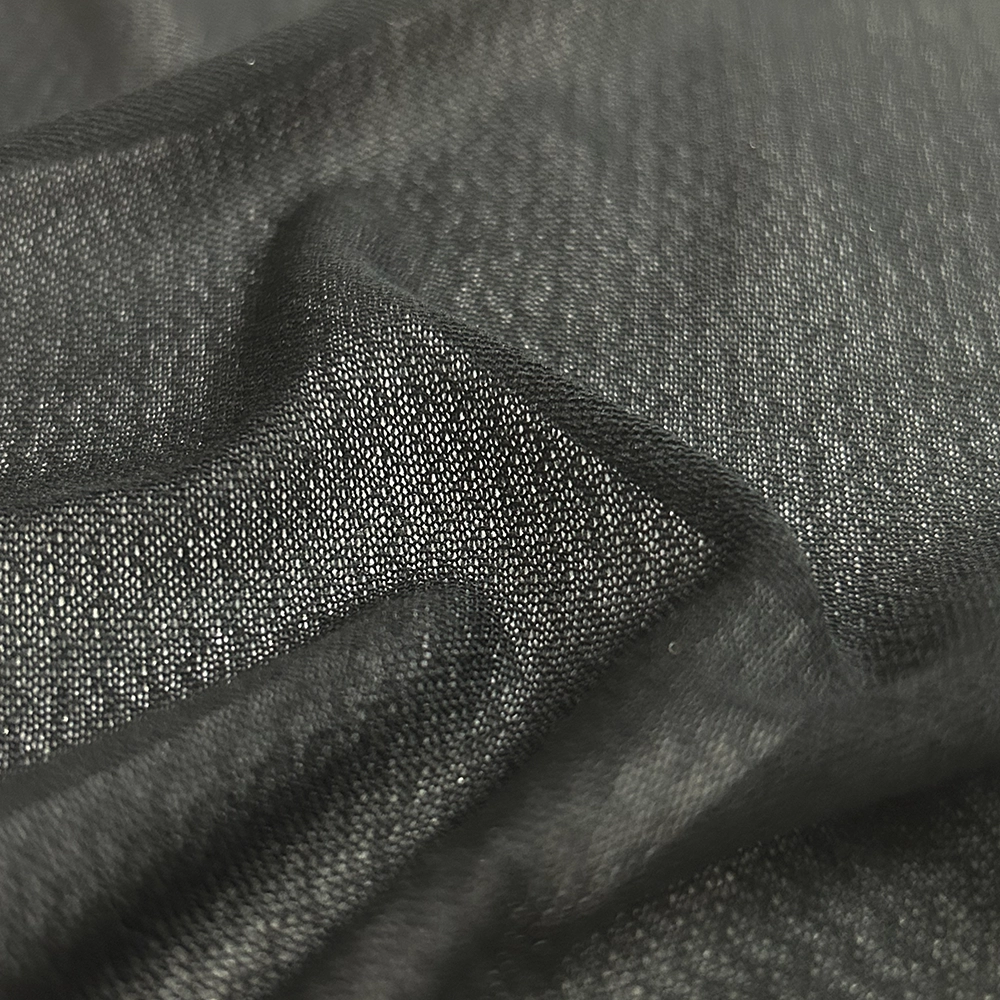
Woven Black Carbon Interlining/Horsehair Interlining / Woven Fusible Interlining |
70D - 150D |
Front Body, Chest Lining, Shoulders, Lapels, Collar Pieces |
| Heavy Coats |
Woven Black Carbon Interlining/Horsehair Interlining / Woven Fusible Interlining |
150D and above |
Front Body, Chest Lining, Shoulders, Lapels, Collar Pieces |
Guide to Choosing Interlinings for Dresses
| Dress Type |
Core Interlining |
Weight (D-value) Range |
Key Interlined Areas |
| Lightweight Fabrics (Chiffon, Silk) |
Stretch Non-Woven Fusible Interlining / Non-Woven Fusible Interlining |
15D - 25D |
Waist, Binding, Pockets, Placket |
| Regular Fabrics (Cotton, Man-Made Fibers) |
Stretch Non-Woven Fusible Interlining / Non-Woven Fusible Interlining |
30D - 50D |
Waist, Binding, Pockets, Placket |
Guide to Choosing Interlinings for Activewear
| Activewear Type |
Core Interlining |
Weight (D-value) Range |
Key Interlined Areas |
| Ultra-Light Fabrics (Mesh, Ultra-Thin Quick-Dry) |
Stretch Non-Woven Fusible Interlining |
15D - 25D |
Collar, Zipper, Labels, Shoulder Seams |
| Regular Fabrics (Lycra, Lightweight Polyester) |
Stretch Non-Woven Fusible Interlining / Knitted Interlining (High-end) |
25D - 40D |
Collar, Zipper, Labels, Shoulder Seams |
Guide to Choosing Interlinings for Knitwear/T-Shirts
| Knitwear Type |
Core Interlining |
Weight (D-value) Range |
Key Interlined Areas |
| Lightweight Knitwear |
Stretch Fusible Interlining |
20D - 30D |
Collar, Placket, Cuffs, Hem |
| Regular Knitwear |
Stretch Fusible Interlining |
30D - 50D |
Collar, Placket, Cuffs, Hem |
| Heavyweight Hoodies |
Stretch Fusible Interlining |
50D - 70D |
Collar, Placket, Cuffs, Hem |
Quick Reference Table for Interlining Selection
| Garment Category |
Preferred Interlining Type |
D-value Range |
Key Interlined Areas |
| Shirts |
Woven Fusible Interlining |
30D - 80D |
Collar, Cuffs, Placket, Collar Stand |
| Suits/Coats |
Woven Black Carbon Interlining/Fusible Interlining |
70D - 200D |
Front Body, Chest Lining, Shoulders, Lapels |
| Dresses/Half-Skirts |
Non-Woven Interlining/Stretch Non-Woven Interlining |
15D - 50D |
Waist, Binding, Pockets, Placket |
| Knitwear/T-Shirts |
Stretch Fusible Interlining |
20D - 70D |
Collar, Placket, Cuffs, Hem |
| Activewear |
Stretch Non-Woven Interlining |
15D - 40D |
Collar, Zipper, Labels, Shoulder Seams |
| Children's Clothing |
Non-Woven Interlining |
15D - 30D |
Waist Lining, Binding, Placket |
| Workwear |
Twill Woven Interlining |
50D - 80D |
Pockets, Placket, Shoulder Seams |