







The "Invisible Framework" of Stretch Clothing: A Guide to Choosing Knitted Interlining
In modern fashion design that pursues comfort, fit, and freedom, stretch fabrics have become an absolute mainstream. As the "skeleton" of clothing, the choice of interlining directly determines the silhouette, texture, and service life of the finished garment.
I. Core Characteristics of Knitted Interlining: Why It’s the Perfect Match for Stretch Fabrics?
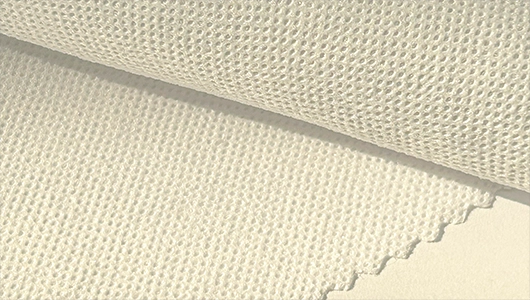
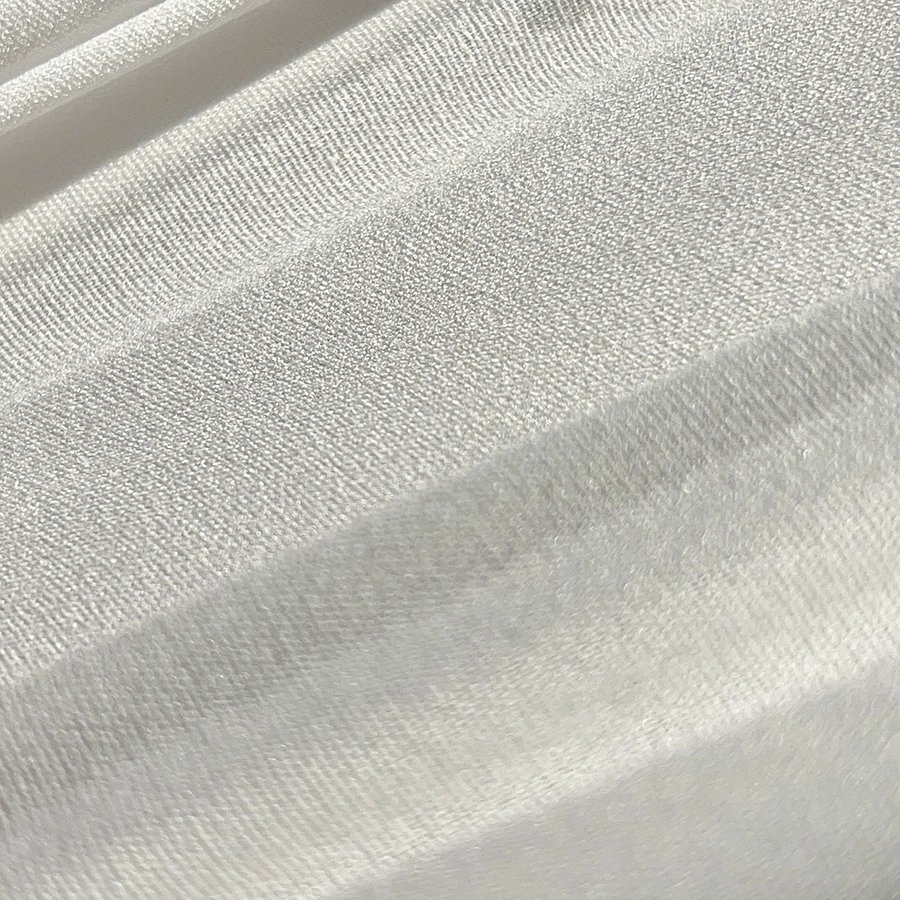
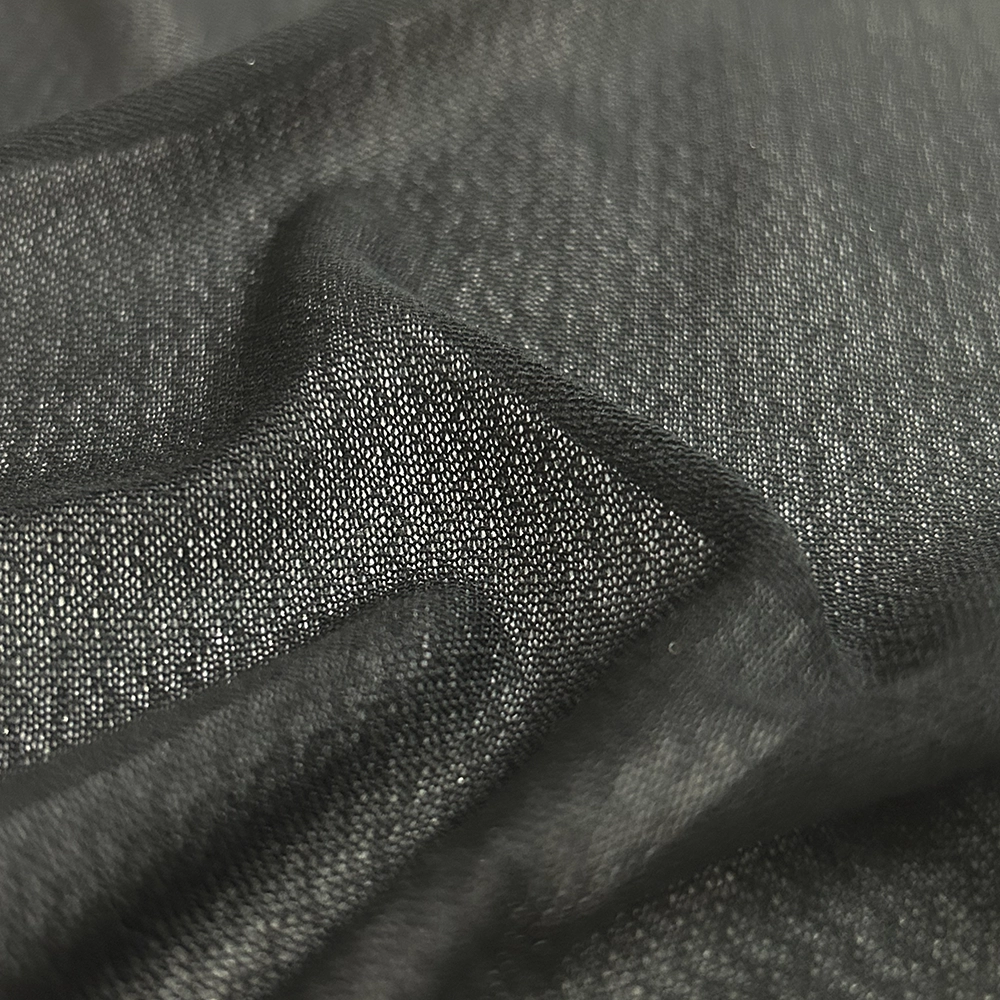
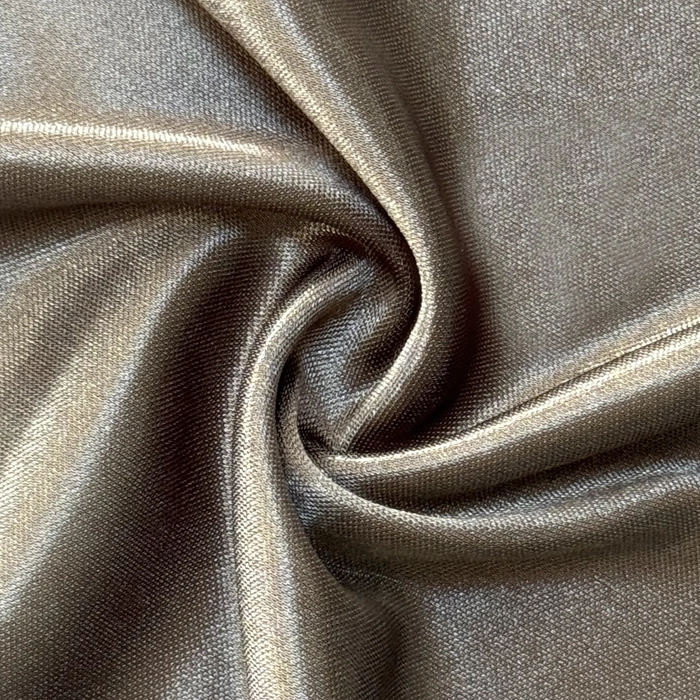
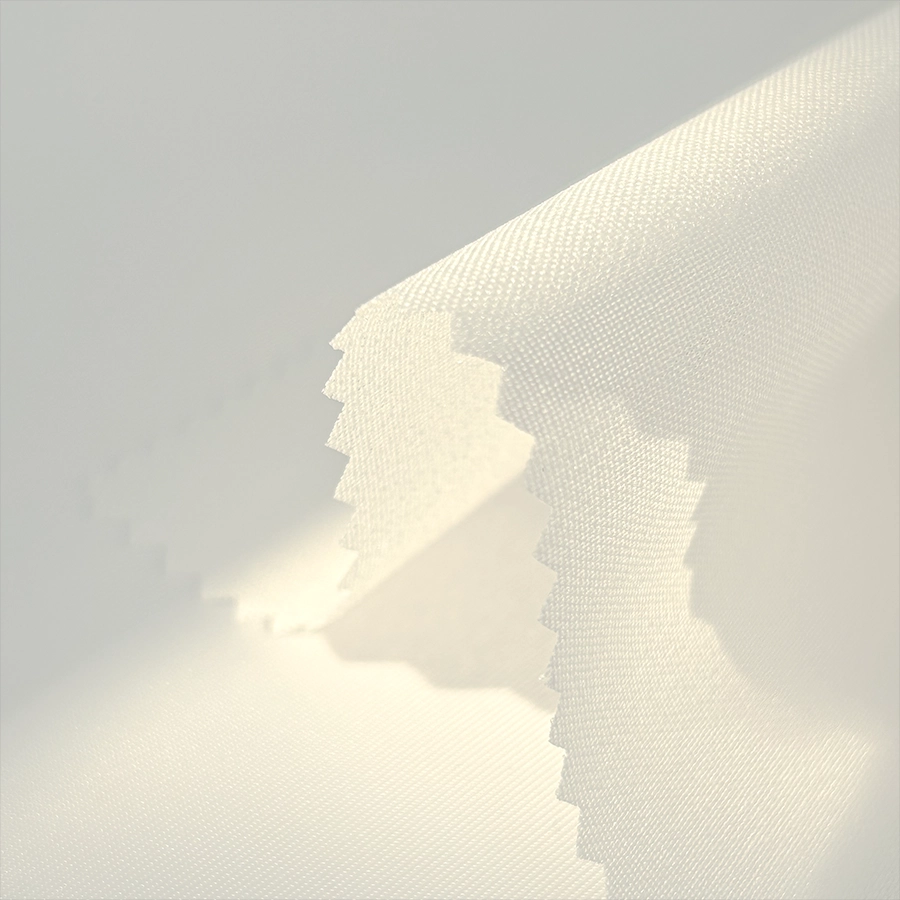
- Excellent elasticity and shape-following ability: This is the most core advantage of knitted interlining. It can stretch and contract synchronously with knitted, stretch woven and other fabrics. While ensuring stiffness, it never restricts the fabric’s own elasticity, avoiding problems such as cracking and bubbling.
- Soft hand feel and drape: The loose structure brings a soft texture, allowing the parts of the garment attached to the interlining to maintain a natural drape and comfort. It is especially suitable for close-fitting clothing and high-quality casual wear.
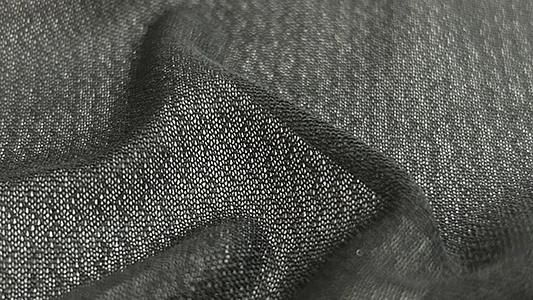
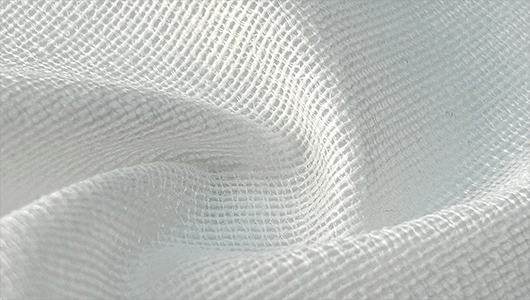
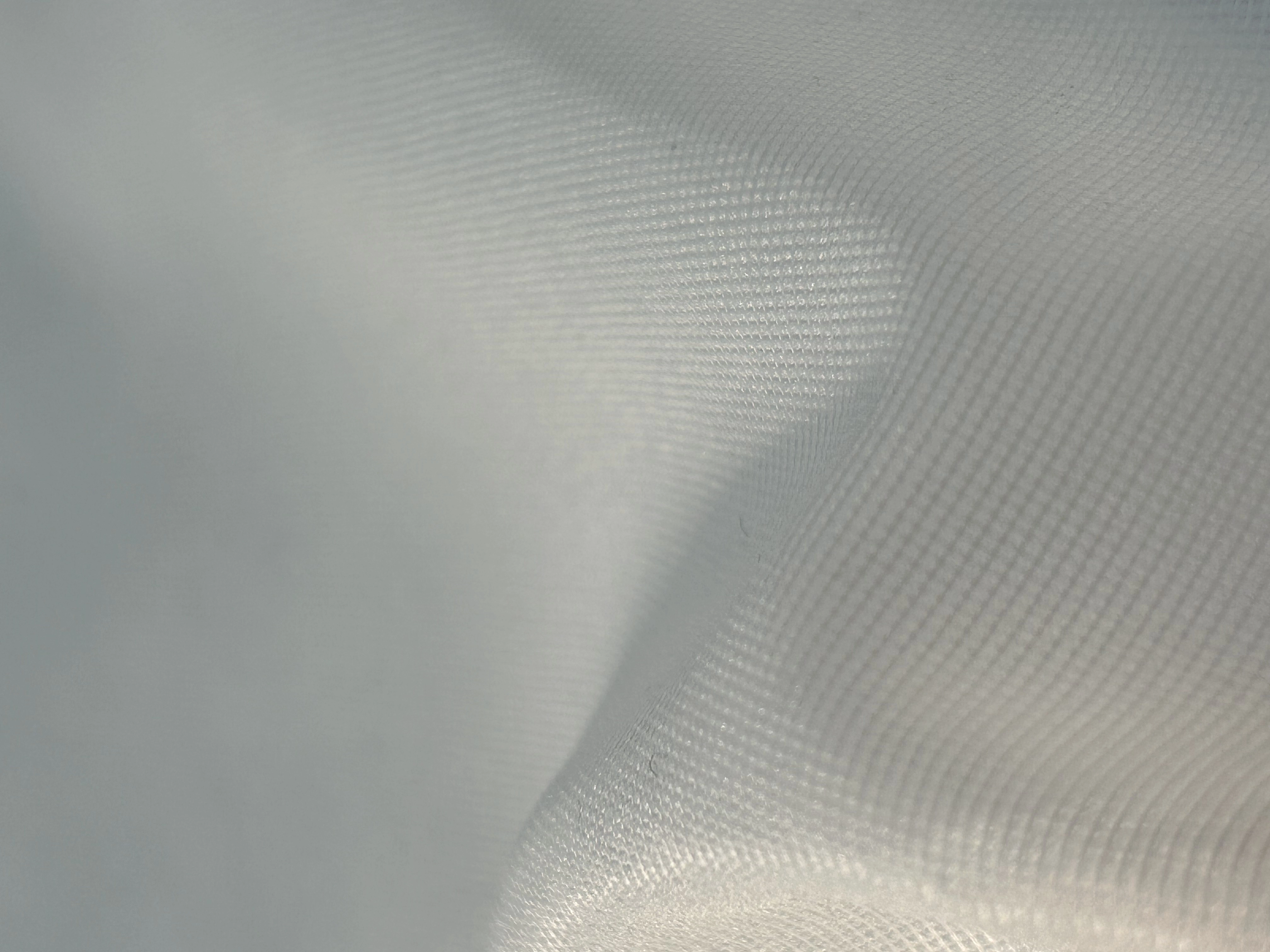
- Good breathability and shape retention: The loop structure leaves tiny gaps to ensure air circulation. At the same time, it can effectively support the fabric, preventing key parts from becoming loose and deformed after wearing and washing.China Shenghong Woven Interlining Manufacturing Factory
II. Practical Application: How to Precisely Choose for Different Garment Parts?
Collars and Plackets of T-shirts and Polo Shirts
Needs: Maintain a standing and stiff collar shape that is not easy to deform, while ensuring neck comfort without oppression during wearing.
Choice: Recommend medium grammage, medium-stiff knitted interlinings. They can provide sufficient support for collar stands and lapels, remaining straight after multiple washes, and their elasticity ensures smooth fitting at the curved parts of the neckline.
Local Reinforcement of Elastic Women's Clothing (Dresses, Close-fitting Knitwear)
Needs: Prevent stretching and deformation at stress-bearing parts such as shoulder seams, armholes, and back necklines, but never affect the overall softness and drape of the fabric
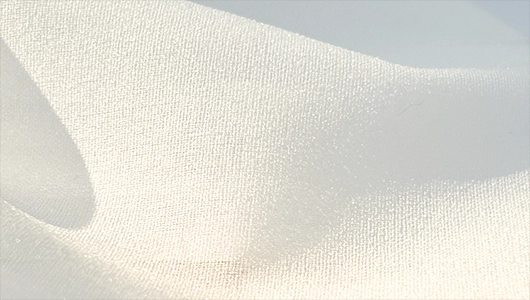
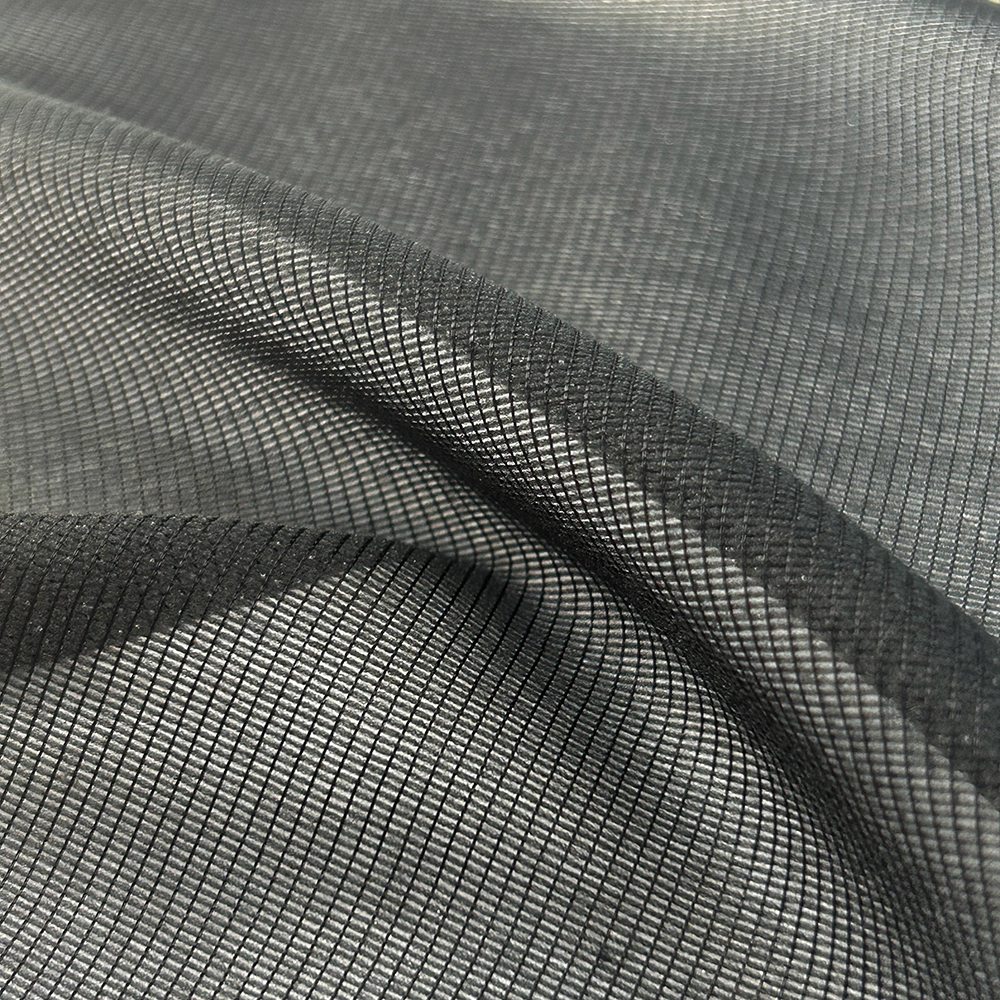
Choice: Should use lightweight, ultra-soft knitted interlinings—almost an "invisible force". They provide slight reinforcement like a second skin, perfectly preserving the original appearance of the fabric.
Waistbands and Pockets of Casual Blazers and Elastic Pants
Needs: Waistbands need to withstand significant longitudinal stretching and frequent friction; pockets need to prevent gapping and deformation after being used.
Choice: For waistbands, high grammage, slightly stiff knitted interlinings are recommended to provide strong shaping. For pockets, medium grammage, soft-yet-stiff interlinings are suitable, ensuring flatness while having wrinkle-resistant performance.China Shenghong Knitted Interlining Factory
Lace and Sheer Fabric Parts of High-end Underwear
Needs: Extreme softness without any stiffness, while requiring firm bonding to prevent lace from curling and yarn from fraying.
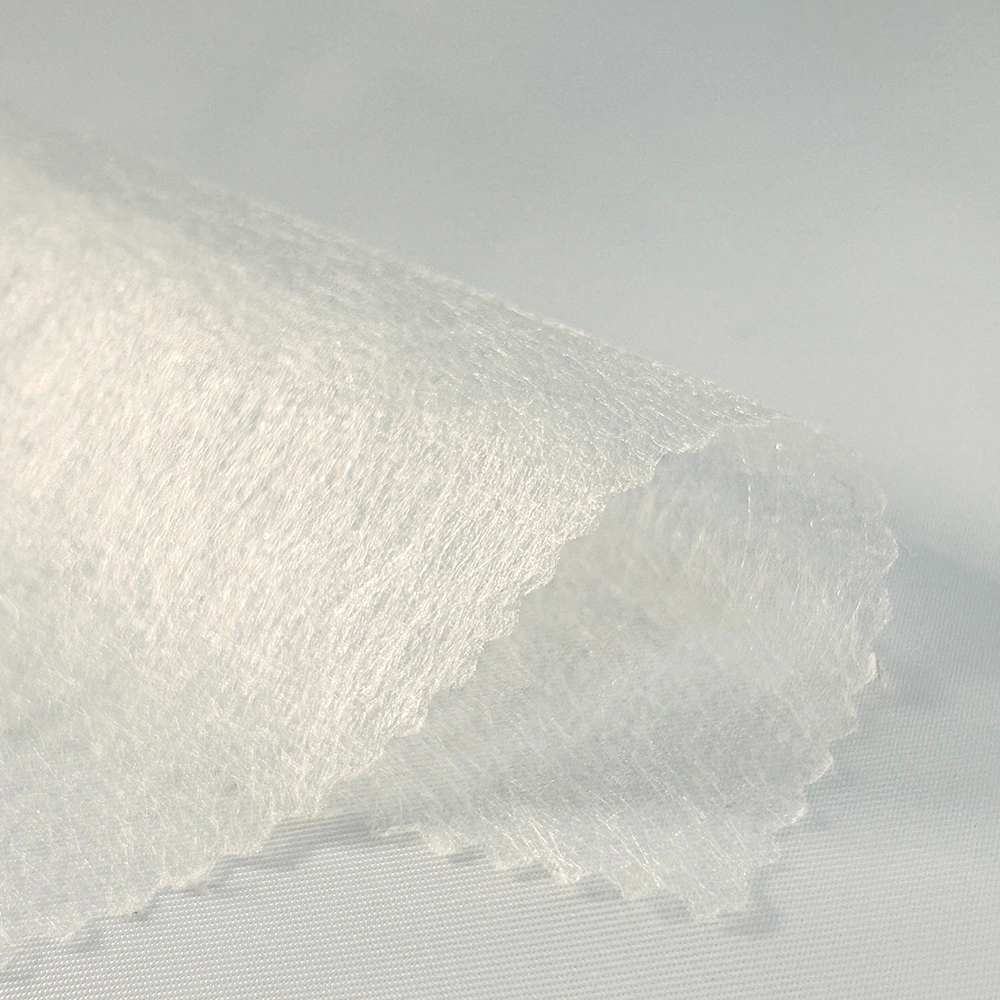
Choice: Must use ultra-thin, extra-soft knitted fusible interlinings, paired with low-temperature gentle pressing process. They endow lace with structural support without damaging its delicacy and smoothness.
Our Suggestion: Before mass production, be sure to conduct sample testing. Fuse the candidate interlinings with your fabric and test their peel strength, hand feel, and changes after washing—this is the key step to ensure perfection.