






Garment Interlining Scientific Selection Guide: Analysis from Category, Part to Process
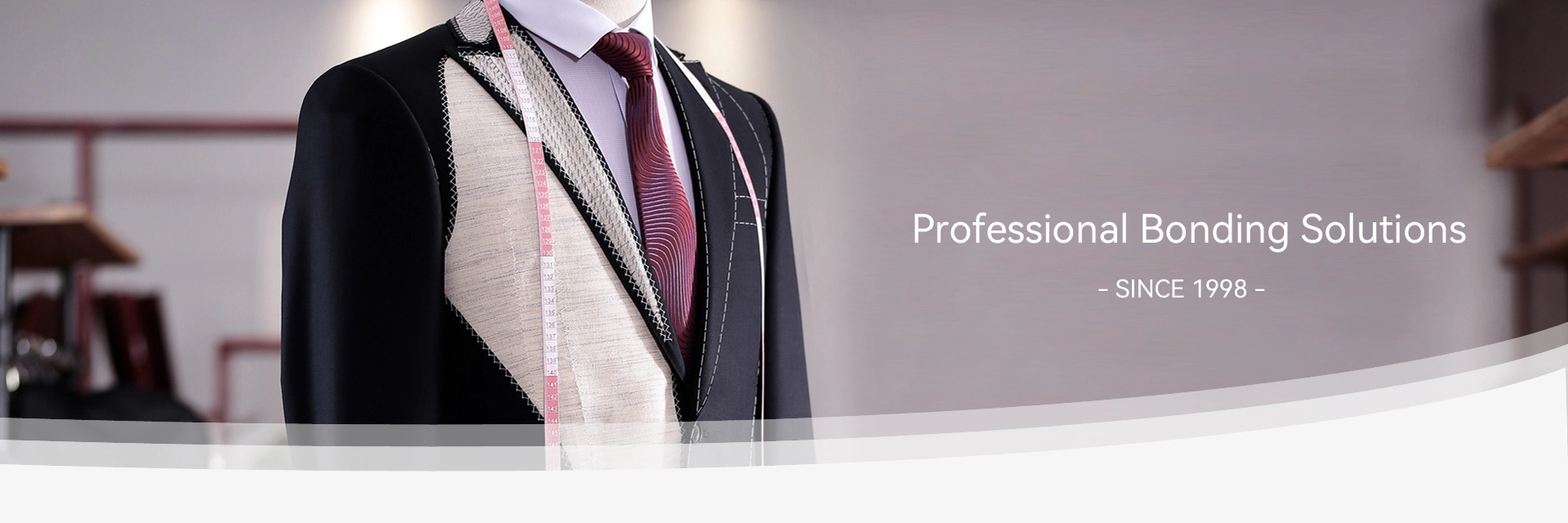
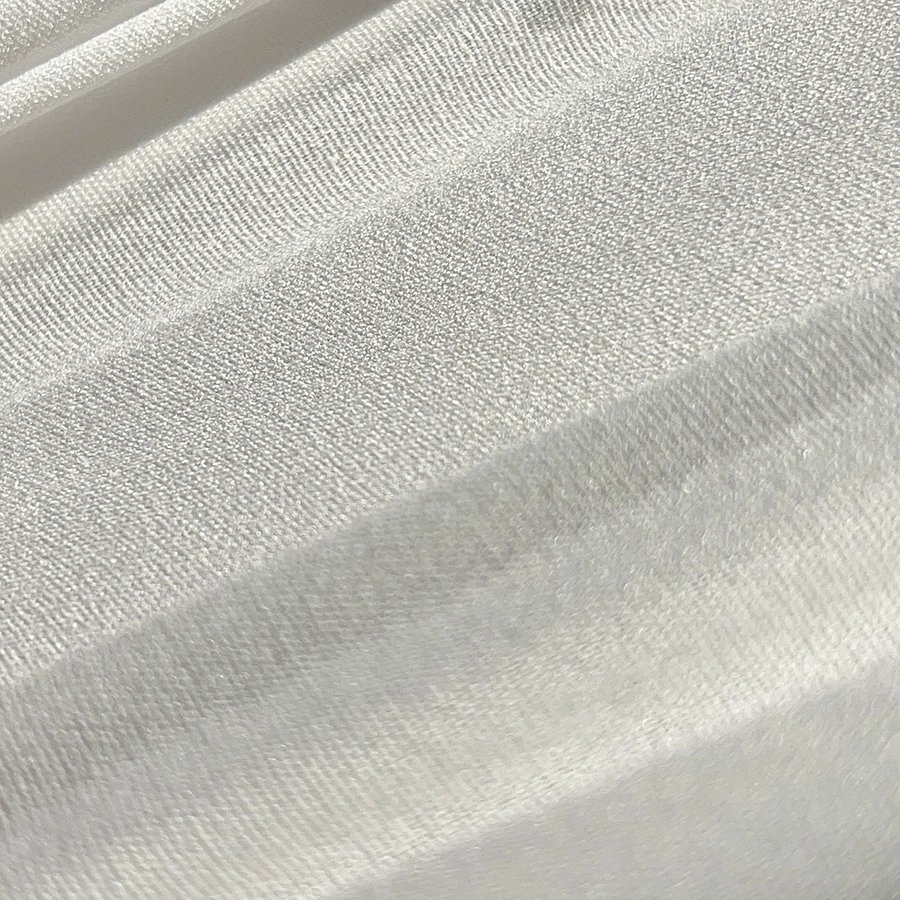
As the "invisible skeleton" of garments, interlining performance directly determines the firmness, hand feel and durability of finished garments. Incorrect selection may lead to fabric bubbling, deformation, adhesive bleeding or uncomfortable wearing, thereby affecting the grade of the entire garment and customer experience. Therefore, scientific interlining selection is the foundation for high-quality garment manufacturing. Based on the production needs of garment suppliers, this article dissects the selection logic of interlining, hot melt adhesive and coating, helping you quickly match suitable solutions.China Shenghong Woven Interlining Factory
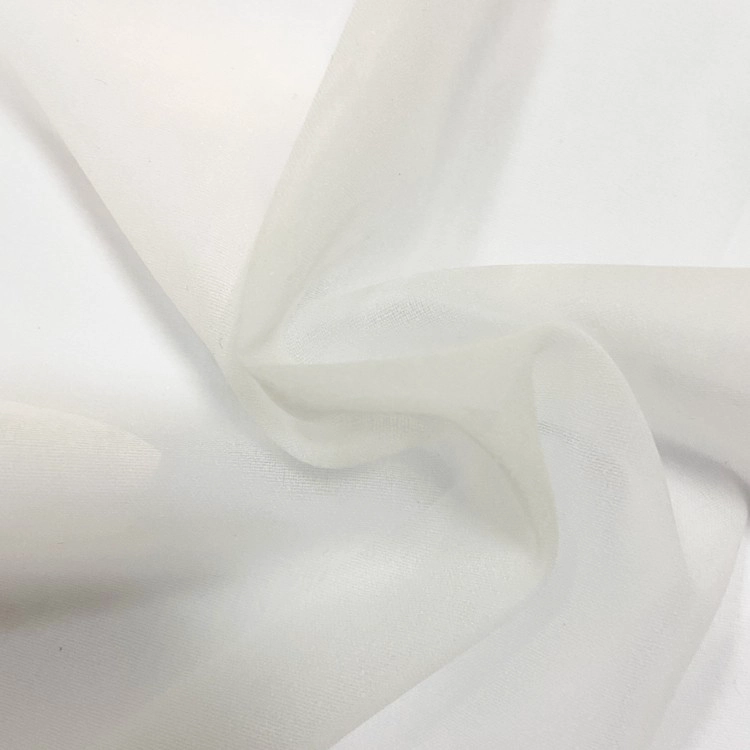
I. Select Interlining According to "Scenario Requirements"
1. Choose Type by Garment Category
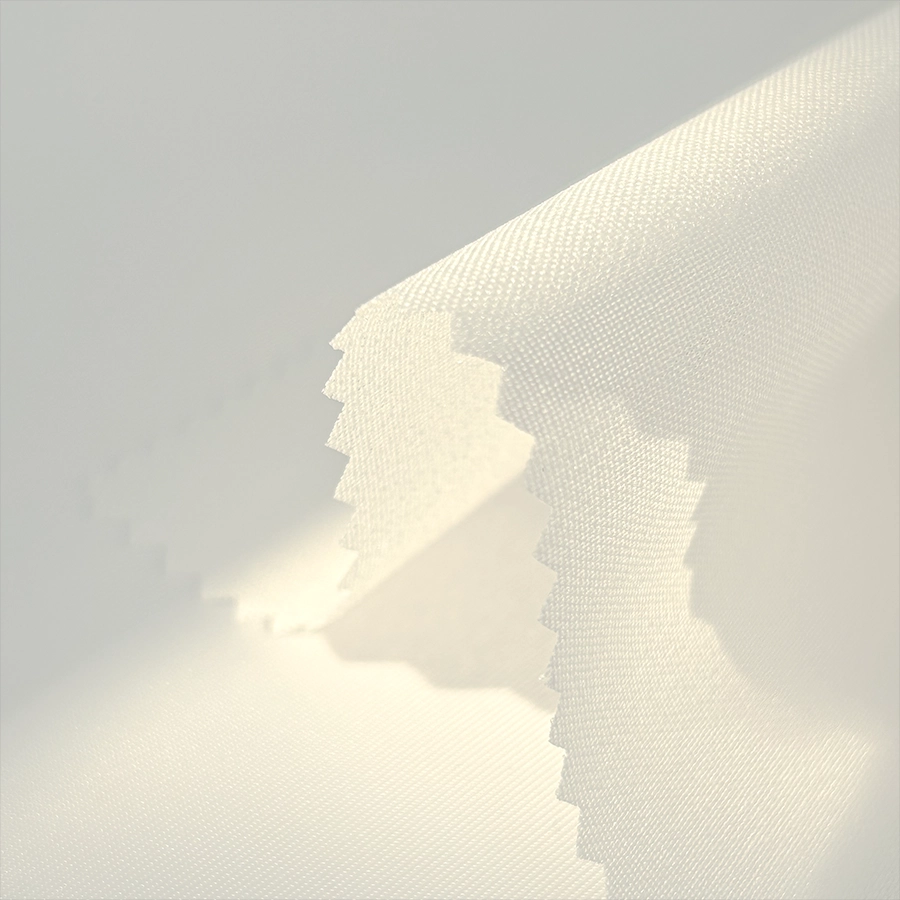
- Formal wear (suits/shirts): Core needs are shaping firmness and wrinkle resistance. Woven interlining (such as polyester-cotton blend) or specially treated resin interlining is recommended.
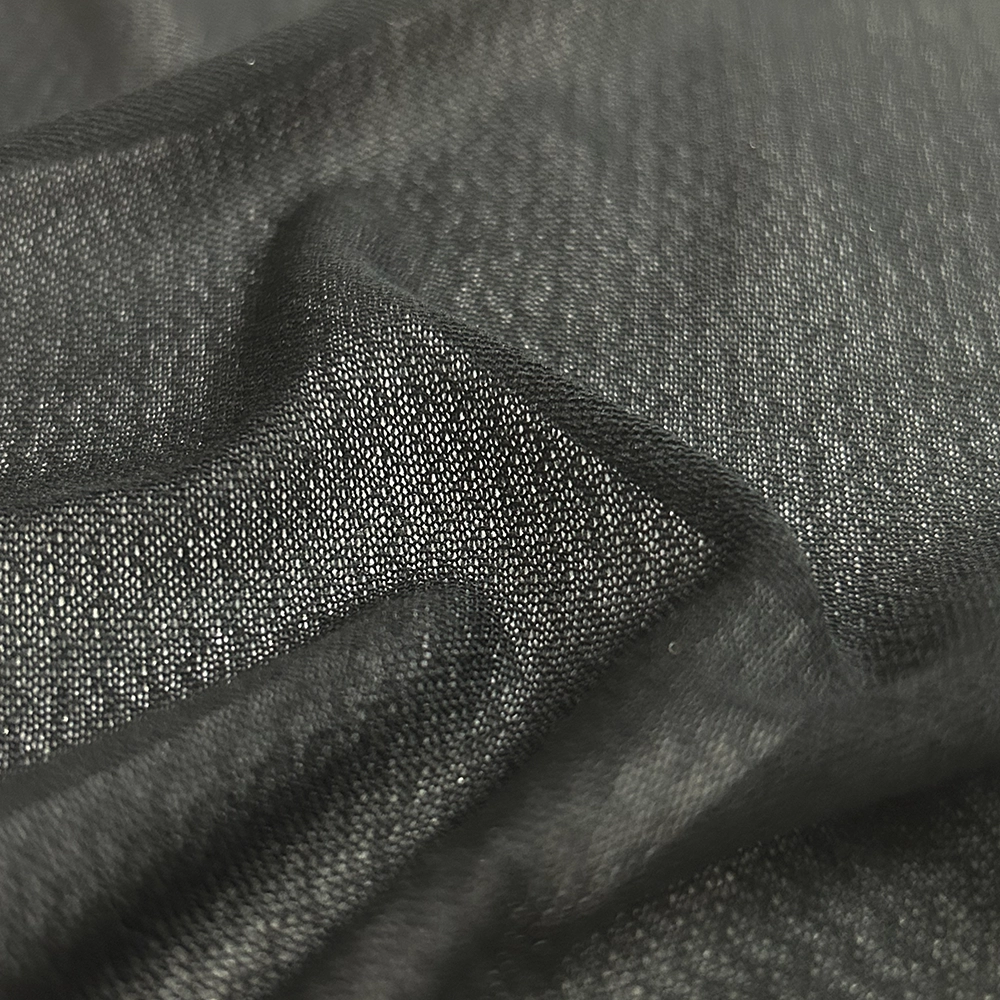
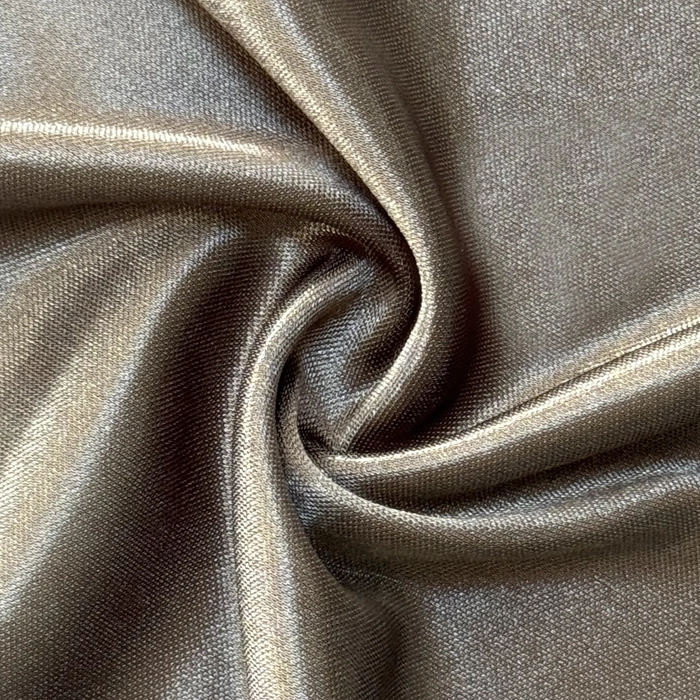
- Elastic garments (knitwear/sports wear): Need to stretch synchronously with the fabric without restriction or deformation. Elastic knitted interlining is the first choice.
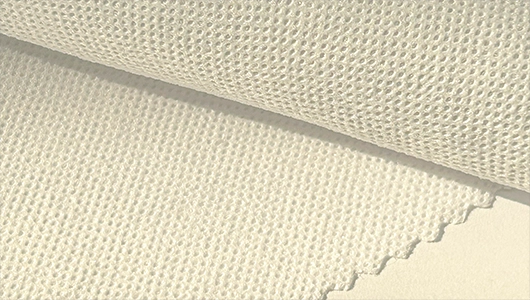
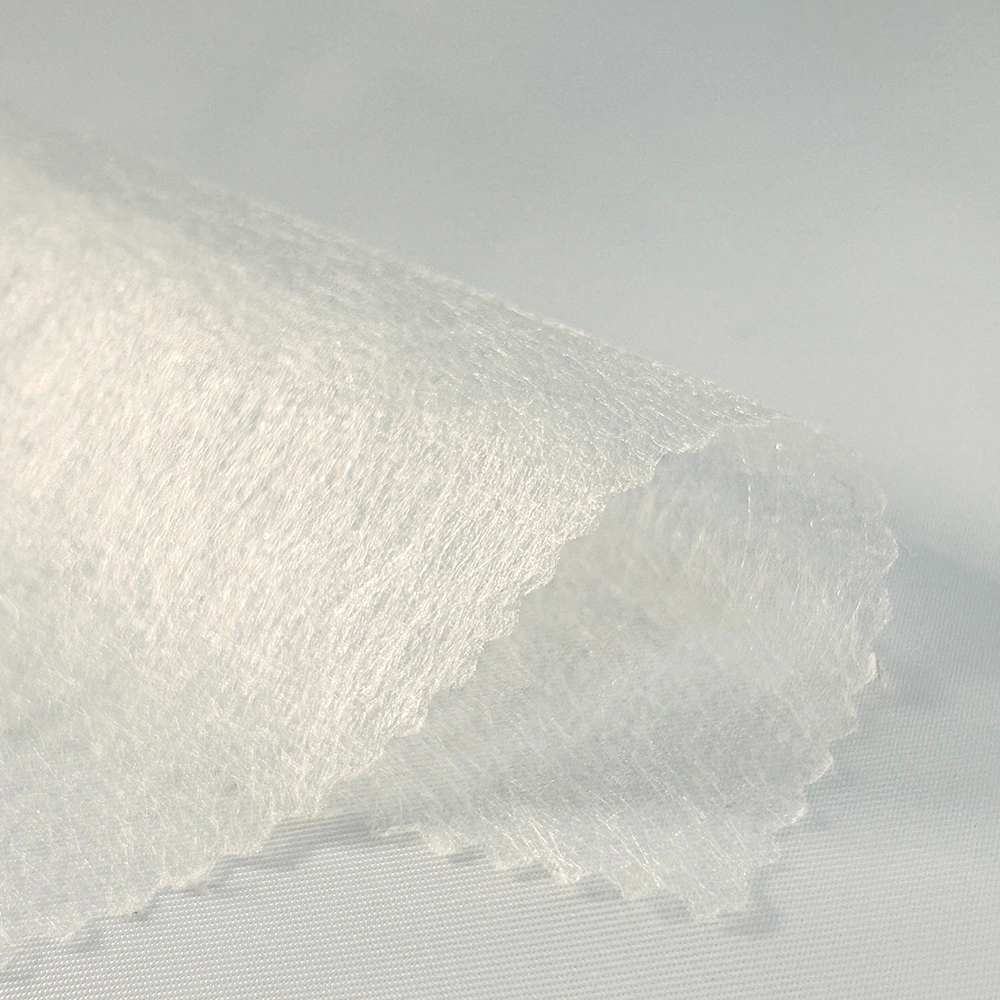
- Heavy garments (coats/jackets): Require sufficient support, warmth retention and washability. Non-woven interlining with high grammage is recommended.
- Close-fitting garments (children's wear/underwear): Softness, skin-friendliness, breathability and environmental safety are the top priorities. Thin non-woven interlining is preferred China Shenghong Knitted Interlining Manufacturers
2. Focus on Key Points by Garment Part
- Collar/placket: As the "facade" of garments, high-shaping resin interlining should be prioritized to ensure flatness after multiple wears and washes.
- Cuffs/hem: Need to balance shape retention and wearing comfort. Woven interlining with high flexibility is suitable.
- Pockets/waisband: These parts are often subject to friction and pulling. Non-woven interlining with high wear resistance and tear resistance should be selected to significantly improve garment durability
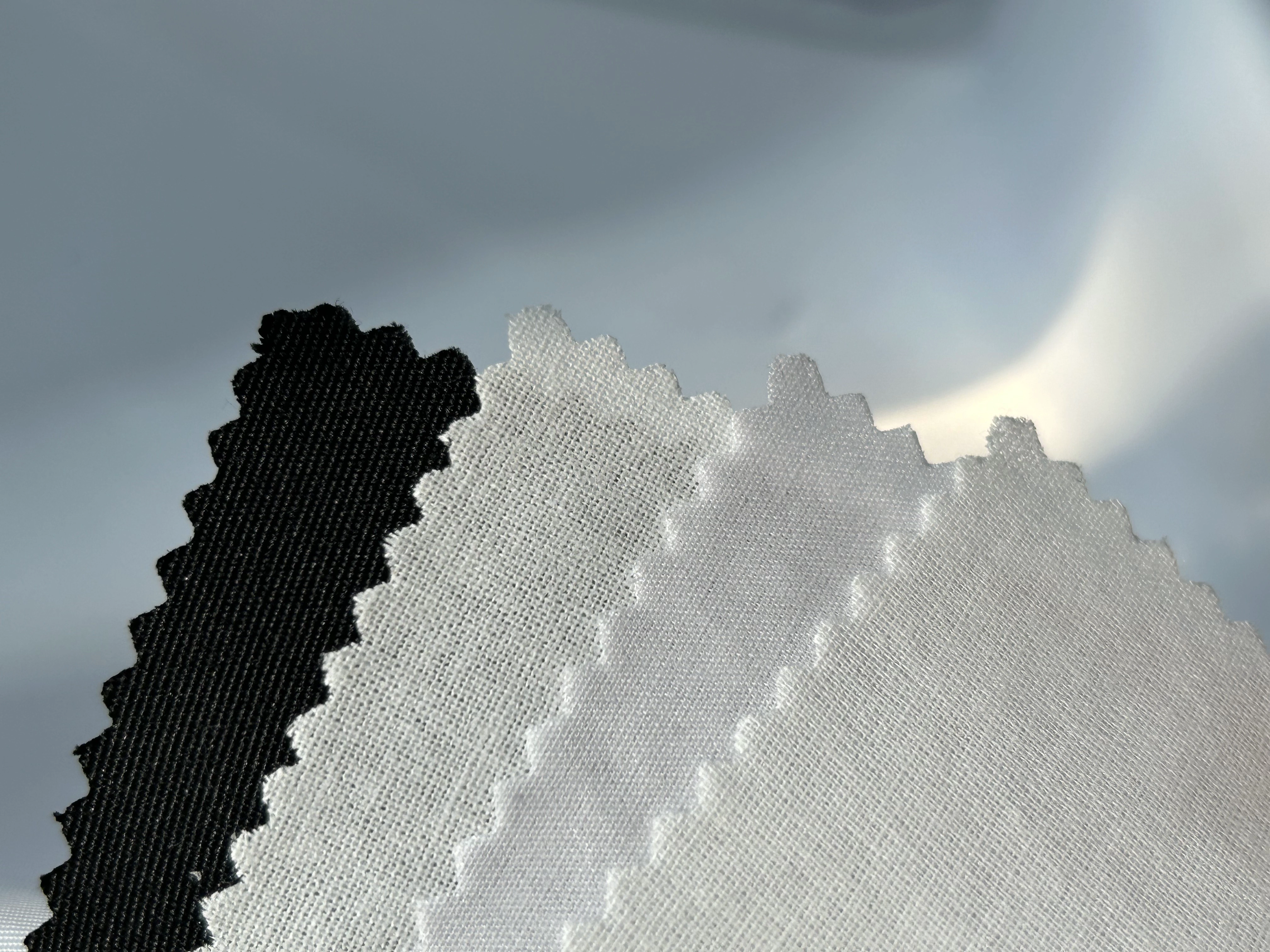
II. Hot Melt Adhesive and Coating: The Key to Bonding Performance
Hot melt adhesive is the executor of interlining functions, and its type directly determines bonding strength and applicable environment.
- Polyamide (PA) adhesive: Known for excellent dry-cleaning resistance and high peel strength, but slightly weaker in high-temperature washing resistance. It is an ideal choice for formal outerwear such as suits and overcoats.
- Polyethylene (PE) adhesive: Divided into high-density (HDPE) and low-density (LDPE). Among them, LDPE enables low-temperature pressing, which is friendly to heat-sensitive fabrics, but has poor washability (not resistant to dry cleaning or water washing). It is often used in casual wear such as T-shirts and shirts that are washed with room temperature water.
- Polyester (PES) adhesive: Possesses excellent water-washing resistance and high-temperature resistance, but requires high low-temperature bonding performance. It is widely used in garments that need frequent washing, such as children's wear, workwear and denim clothing.
- Ethylene-Vinyl Acetate (EVA) adhesive: Features high softness and good fit, and can well adapt to the stretching of elastic fabrics, but it is not resistant to dry cleaning. It is mainly used for elastic fabric garments such as knitwear and sports wear.
- Polyvinyl Chloride (PVC) hot melt adhesive: Has excellent washing resistance (both dry and water washing) but is prone to leakage; suitable for bonding heavy fabrics.
Coating process: Hot melt adhesive is attached to the base fabric through different coating processes (such as powder dot, paste dot). Different coating methods will affect the hand feel fullness, breathability and bonding effect of interlining, which need to be comprehensively considered according to the final use.
III. An Unignorable Link: Pressing Process Parameters
Selecting the right interlining is only half the battle. Pressing temperature, pressure and time are the final barriers to ensuring perfect bonding. We strongly recommend conducting strict pressing tests with bulk fabrics and interlining before production to determine the optimal process parameters and avoid batch quality problems.