







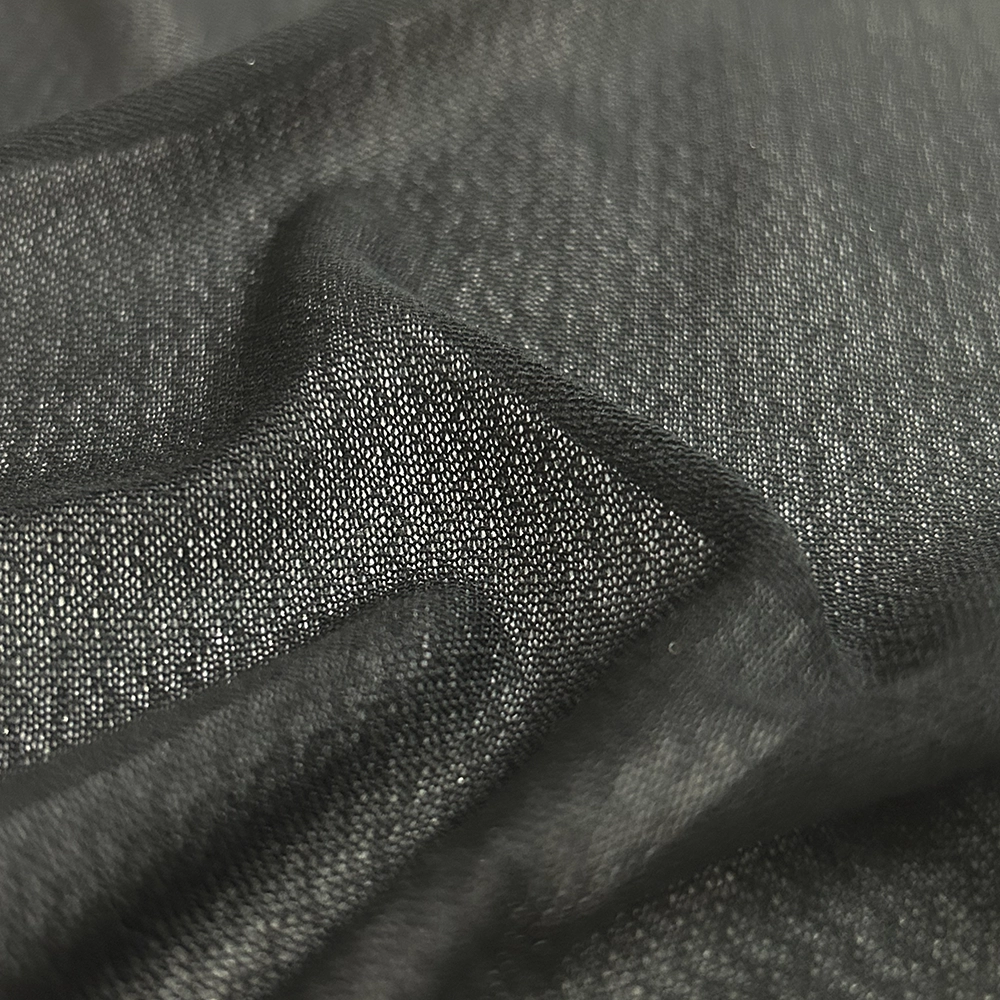
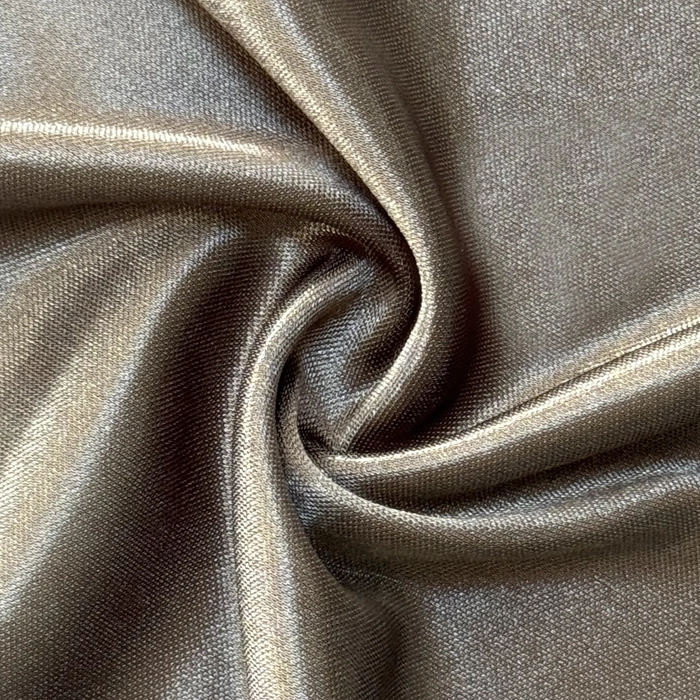
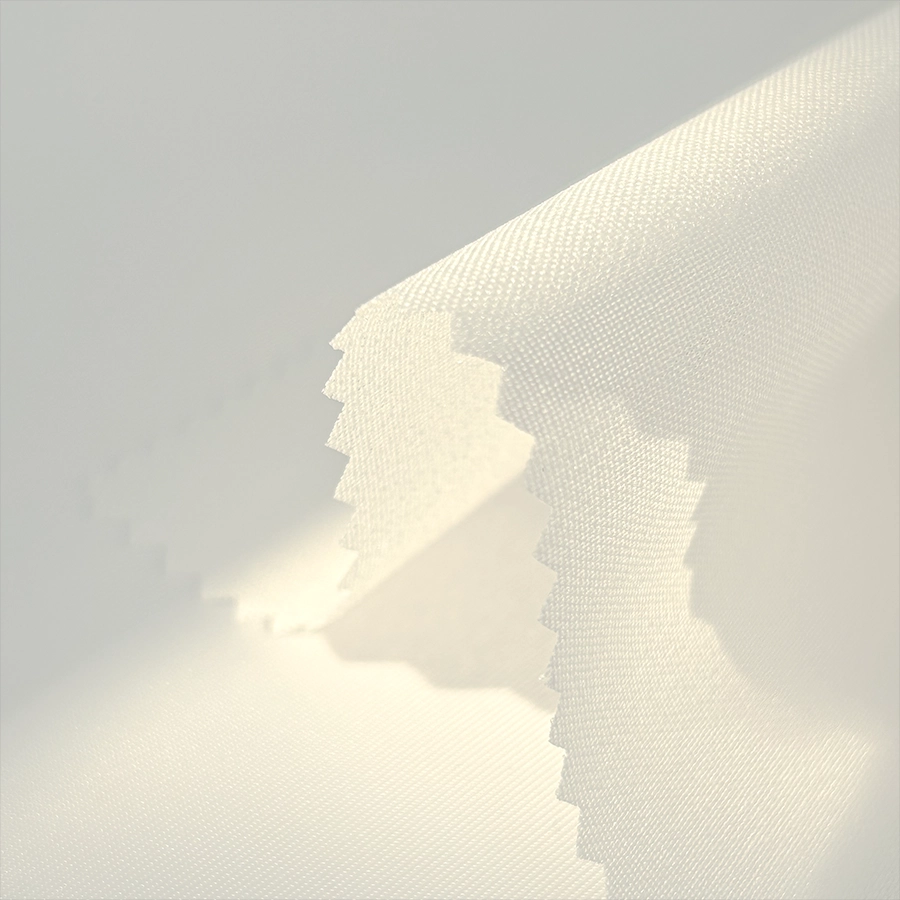
The "Invisible Framework" of Clothing: Why Do High-Quality Interlinings Require Anti-Slip Treatment?
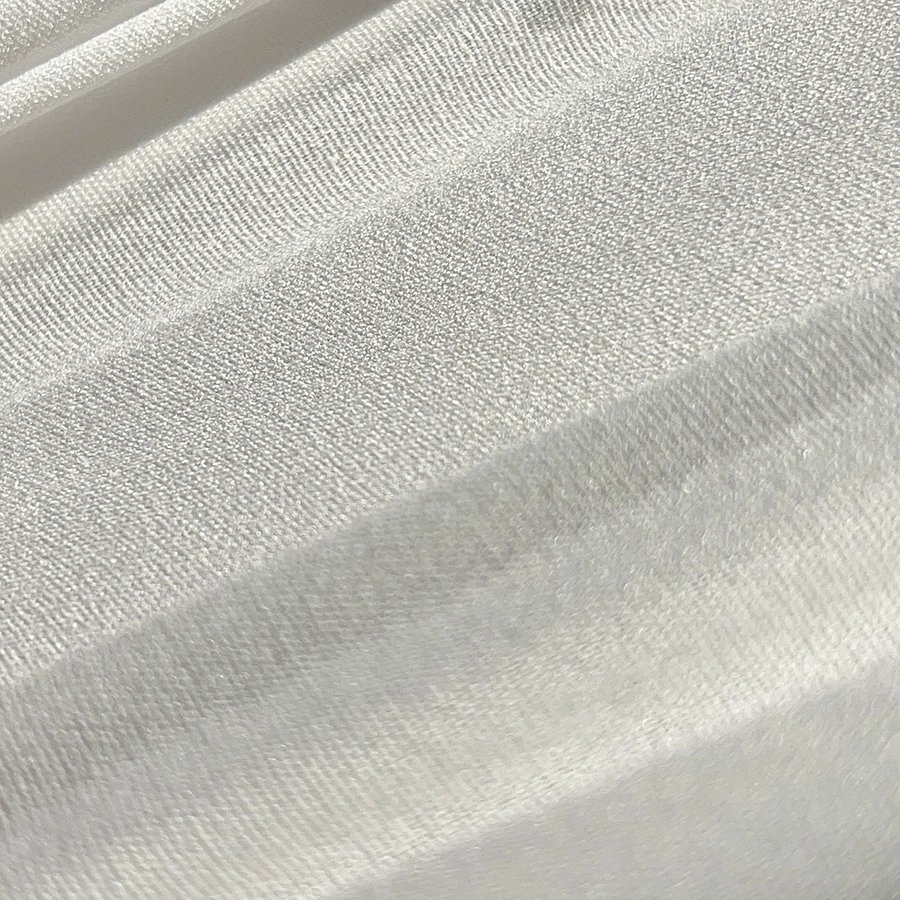
In the garment and textile industry, interlining, as a "framework" material, serves functions that extend beyond shaping and reinforcement. For specific fabric properties, interlining must also meet specialized functional indicators, with anti-slip treatment being a critical technical requirement.China Shenghong Woven Interlining Factory
I. Background: What is Fabric "Slippage"?
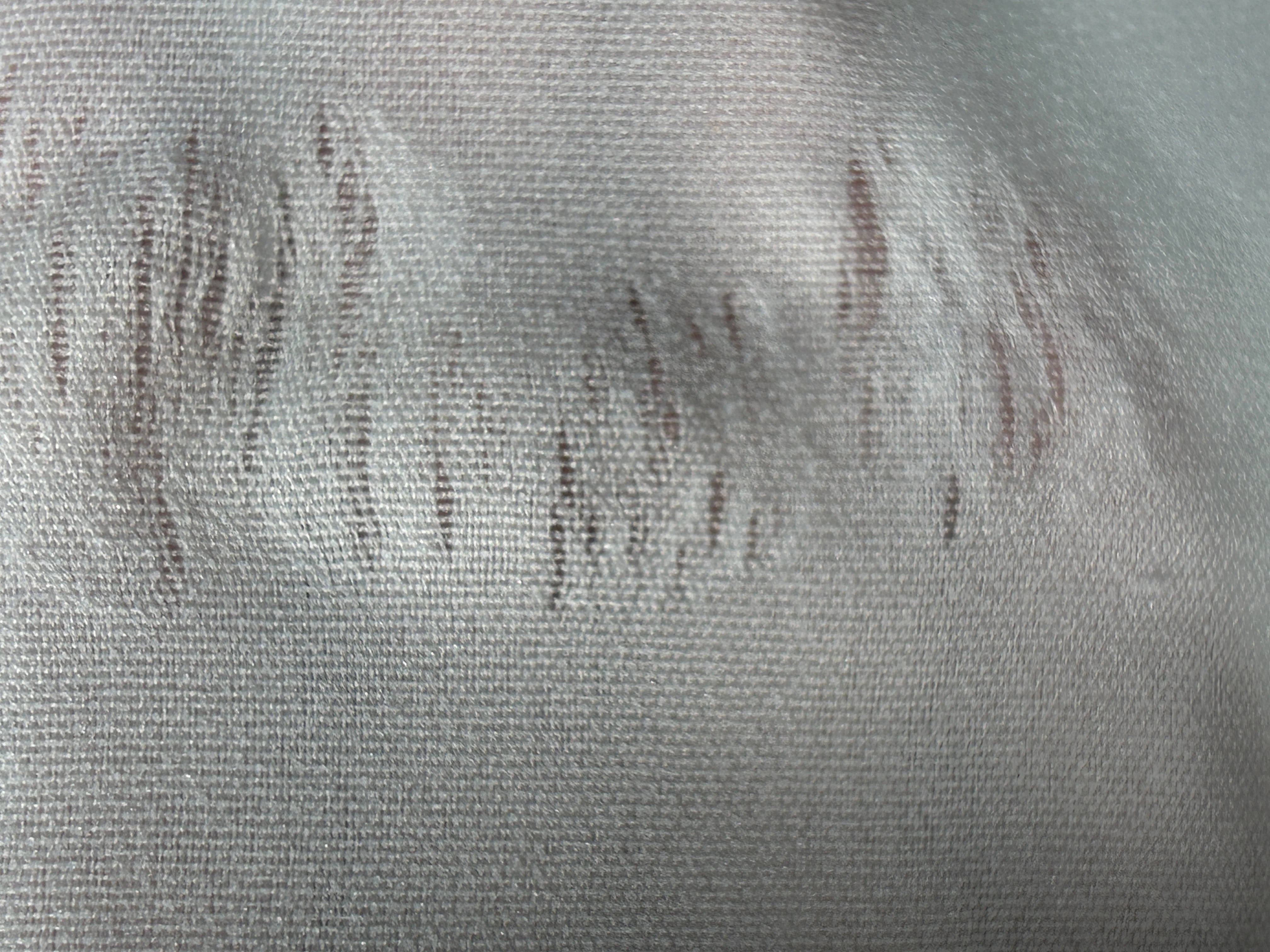
To understand the anti-slip function of interlining, it is essential to first grasp the defect known as "slippage" in the industry, commonly referred to as "cracking" or "fiber pulling".
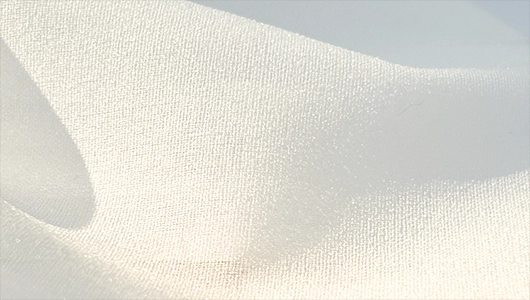
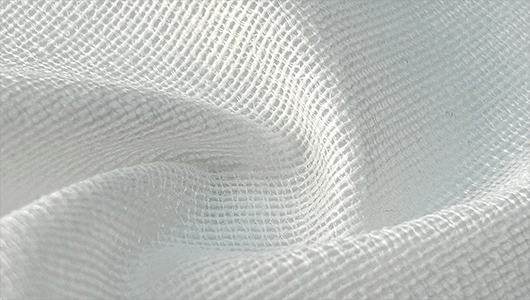
This phenomenon primarily occurs in fabrics with smooth yarn surfaces and loose weaves, such as silk, chiffon, and high-count high-density cotton. Due to the low friction between yarns, the warp and weft threads are prone to displacement when the garment is stretched. This displacement can lead to visible sparse cracks at the garment seams, and in severe cases, may even cause "seam failure".
II. Process Principle of Anti-Slip Interlining
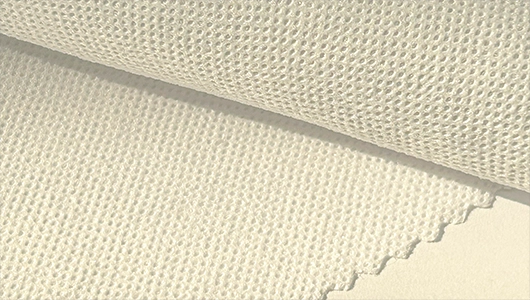
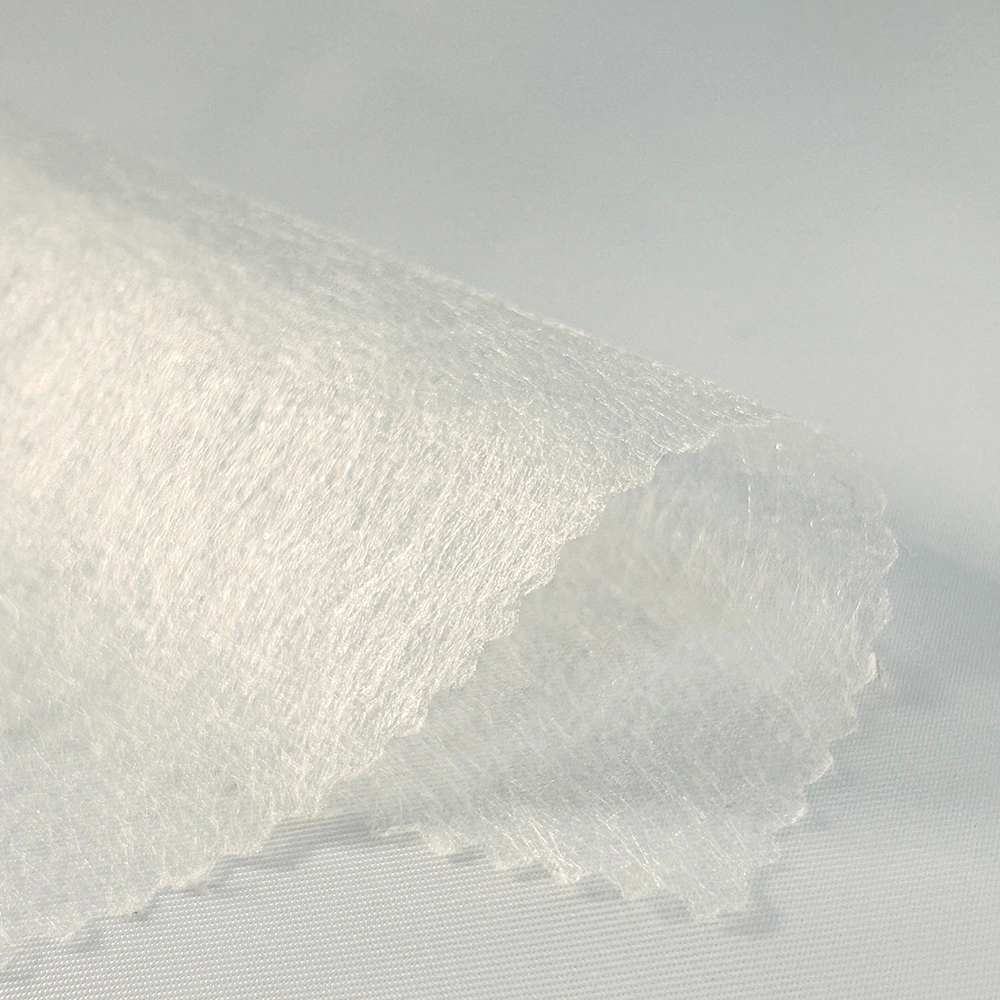
Anti-slip interlining is not a standalone product category but a functional upgrade achieved by improving the adhesive powder formulation or coating process.
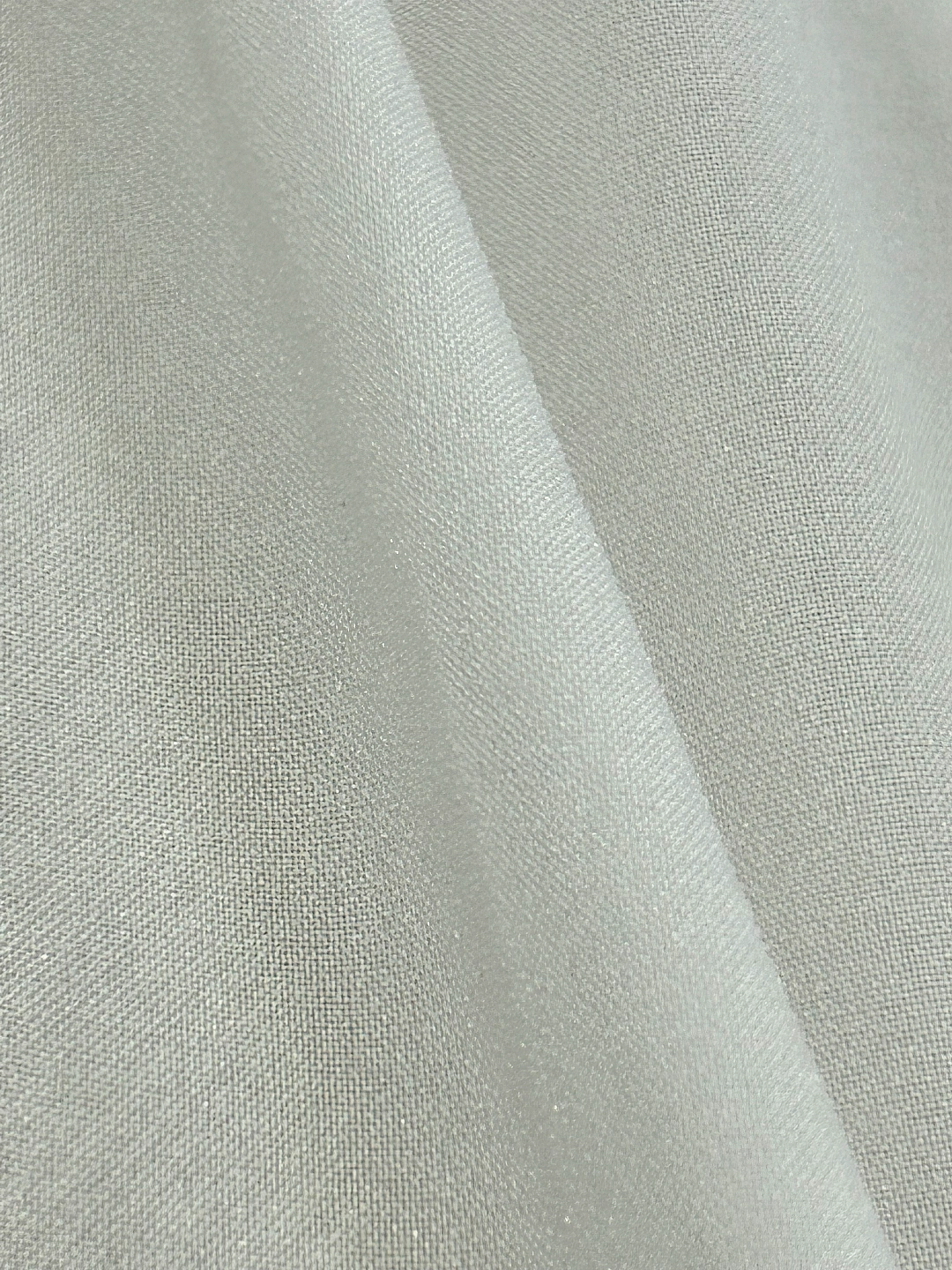
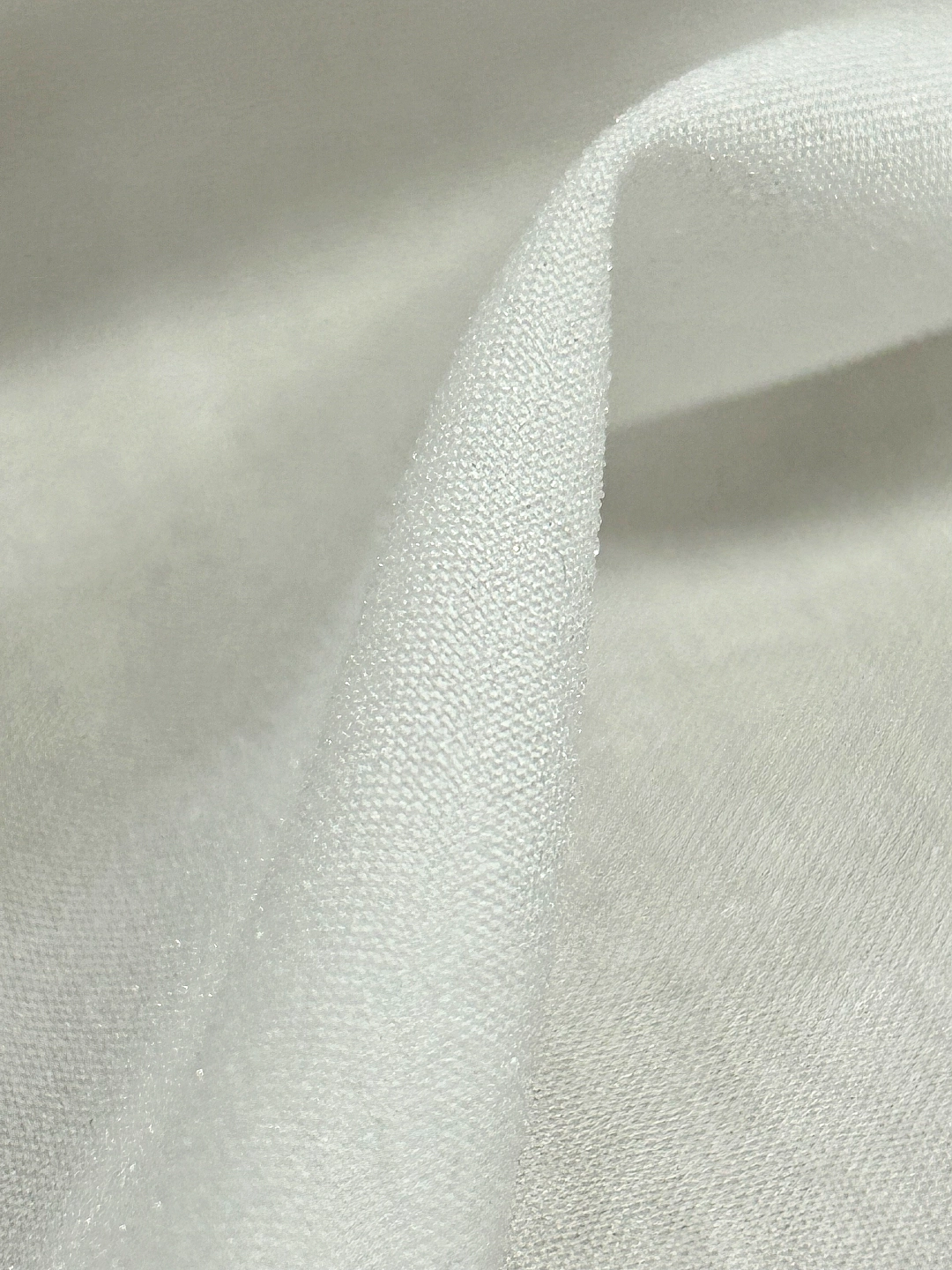
The adhesive layer of anti-slip interlining exhibits stronger permeability. After heat pressing, the adhesive penetrates into the gaps at the intersections of the warp and weft yarns, increasing the frictional resistance between yarns like a bonding agent, and forcibly "locking" the originally loose and easily sliding yarns together.China Woven Interlining Production Manufacturer
III. Three Core Functions of Anti-Slip Treatment
The application of anti-slip treated interlining in garment production primarily addresses three key issues:
- Preventing Seam "Cracking" (Core Function): This is the most direct value of anti-slip treatment. It effectively locks the smooth yarns, significantly enhancing seam strength and preventing the garment from developing cracks or "seam failure" at stress points such as underarms and the back.
- Maintaining the Lightweight Style of Fabrics: In the past, to achieve anti-slippage, designers often had to increase fabric thickness. The use of anti-slip interlining allows for the enhancement of physical strength without altering the original lightweight and flowing hand feel of the fabric, eliminating the need to compromise design aesthetics.
- Improving Pattern Stability: Loose fabrics are highly prone to deformation. Anti-slip interlining provides a stable bonding layer for the fabric, not only simplifying the cutting and sewing processes but also ensuring that the garment remains shape and dimensionally stable even after multiple washes.
Conclusion
In summary, anti-slip treatment of interlining is a technical solution tailored to the properties of specific fabrics. By increasing the friction coefficient between yarns, it effectively resolves the inherent structural defects of high-end lightweight fabrics.