








Functional Interlinings for Automotive Interiors: A Performance Analysis from Basic Safety to Comfort and Intelligence
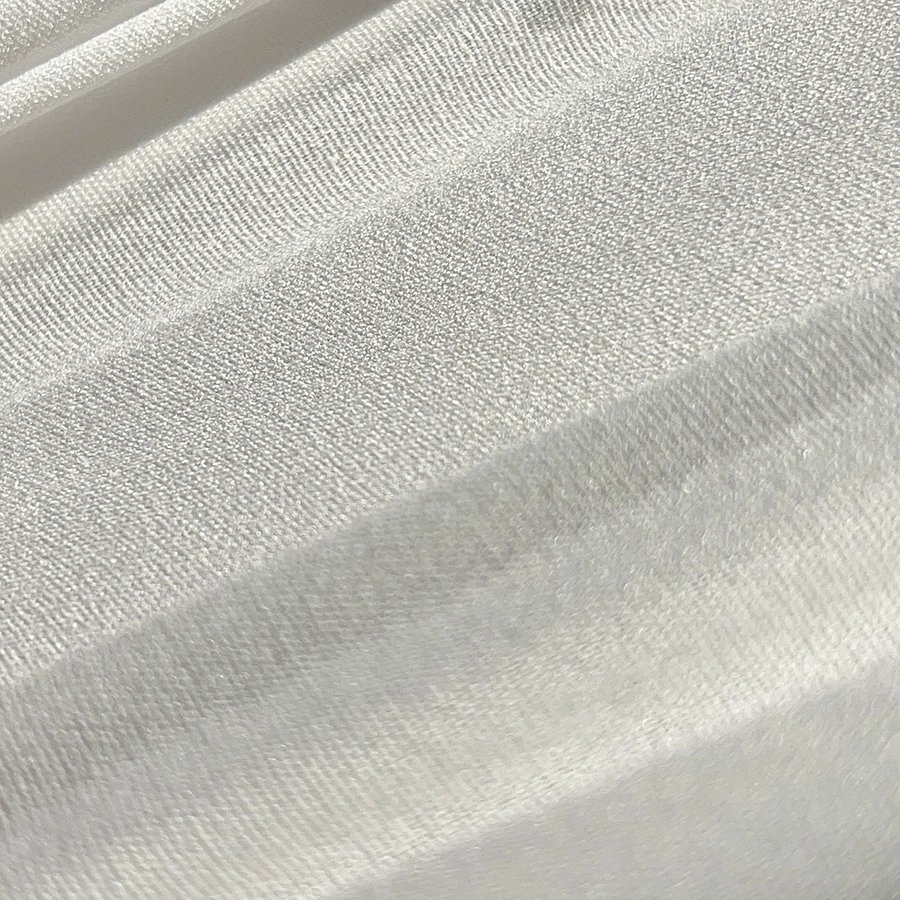
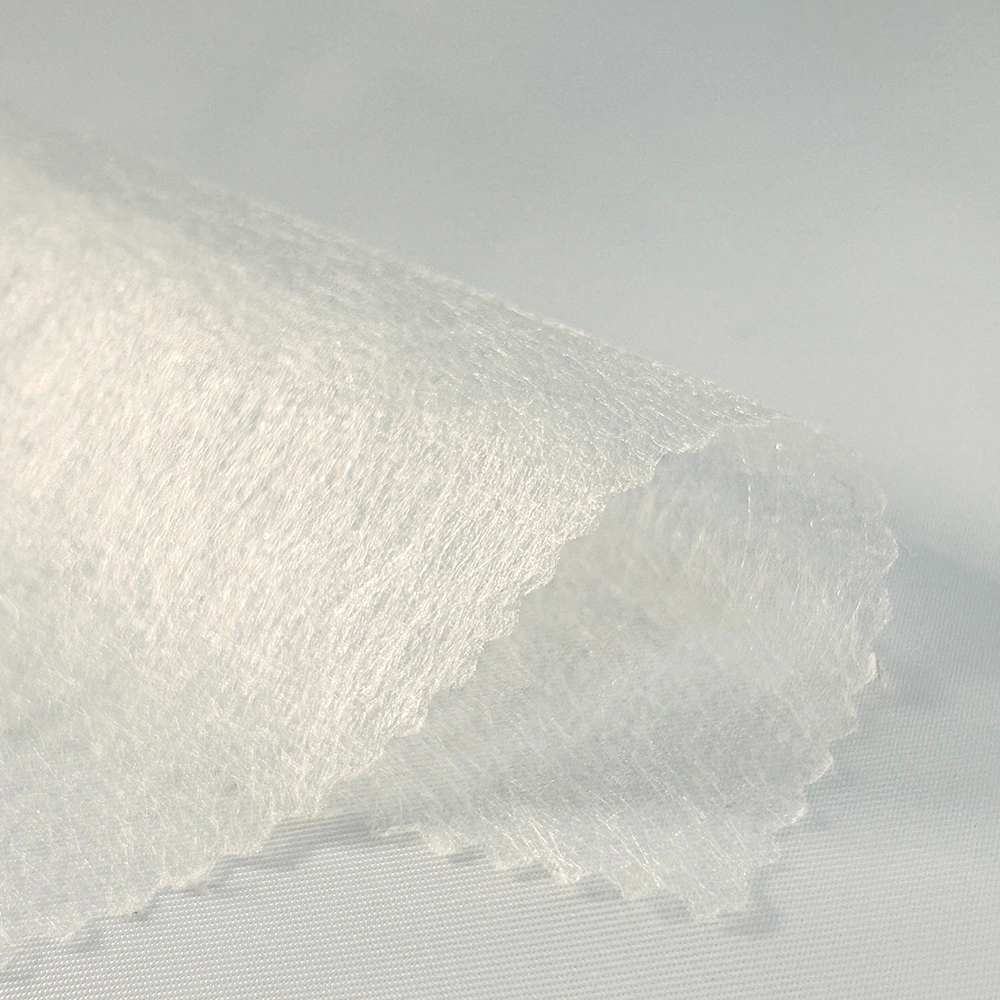
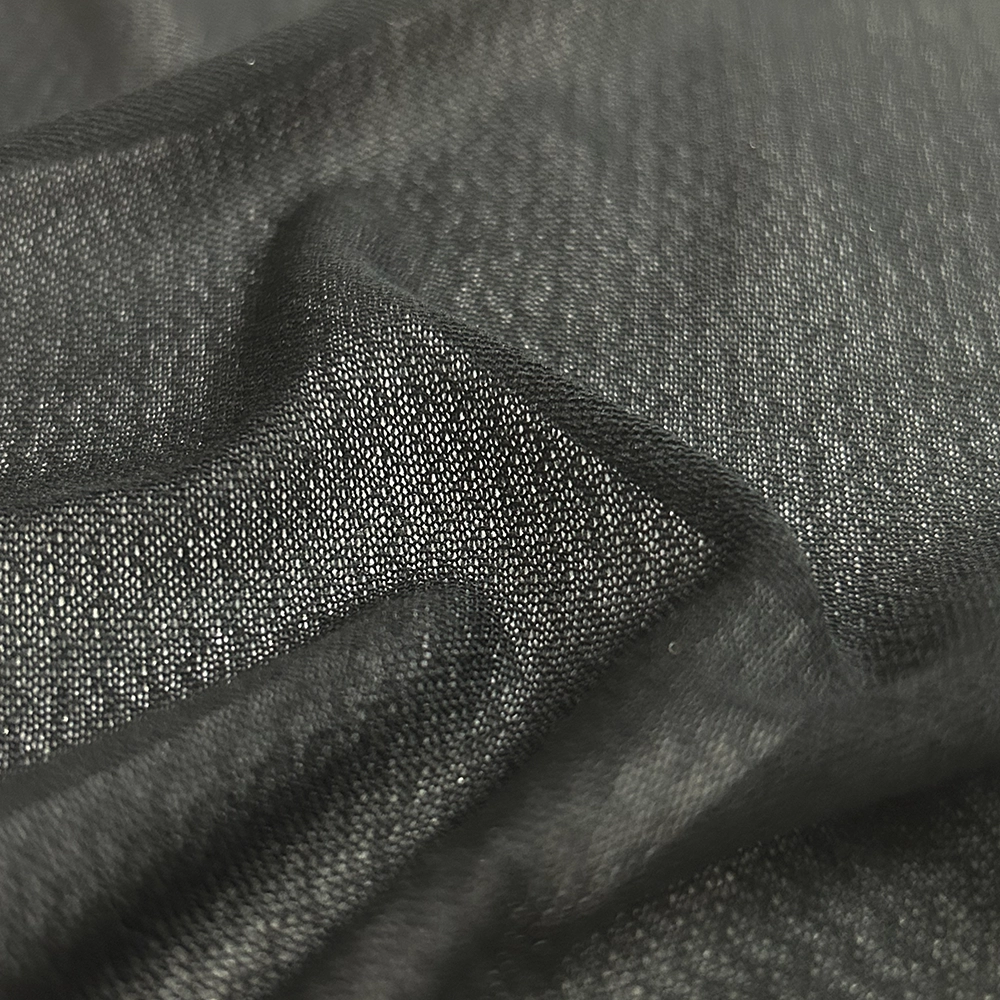
With the upgrade of automotive driving and riding experience, interior materials have gone beyond mere aesthetics and durability, evolving in depth towards greater comfort, health and safety. As a key auxiliary layer beneath interior surface fabrics, functional interlinings (such as mesh fabrics and spacer fabrics) directly determine the overall quality of the final components. A high-performance interlining must simultaneously possess reliable basic properties and advanced regulatory functions, serving as the behind-the-scenes cornerstone for enhancing the overall cabin experience.China Shenghong Automotive Interior Mesh Fabric Factory
I. Cornerstone of Basic Properties: The Foundation of Safety, Environmental Friendliness and Durability
As an integral part of automotive interiors, interlinings must first meet stringent automotive-grade basic standards, which are the bottom line and prerequisite for product design
1. Core Safety: Excellent Flame Retardancy
Flame retardancy is the primary characteristic for safeguarding driving and riding safety. High-quality interlinings can effectively retard combustion and inhibit flame spread in case of fire, gaining precious time for personnel evacuation and fire control, and providing crucial basic safety protection.
2. Health Protection: Environmental Friendliness and Low VOC Emission
To safeguard air quality in the enclosed car cabin, interlinings must comply with increasingly stringent environmental regulations. This means the materials themselves must be non-toxic and odorless, and can effectively control the emission of harmful volatile organic compounds (VOCs) such as formaldehyde and benzenes even under high-temperature conditions, acting as an invisible guardian for building a "healthy cabin".
3. Durability Guarantee: Superior Abrasion Resistance and Mechanical Strength
Automotive interior components endure long-term friction, extrusion and stretching. Therefore, interlinings must feature high abrasion resistance, anti-pilling property and excellent mechanical strength (such as tear and bursting strength), ensuring structural integrity and functional stability after long-term use, and avoiding premature failure caused by wear and tear.
4. Environmental Adaptability: Outstanding Weather Resistance and Dimensional Stability
The internal environment of automobiles is harsh, withstanding extreme cold, intense heat, high humidity and ultraviolet radiation. Interlinings must have good UV aging resistance, high and low temperature resistance, damp heat resistance, while maintaining excellent dimensional stability, without shrinkage, deformation or performance degradation under any climatic conditions.China Shenghong Automotive Interior Lining Factory
II. Core of Advanced Functions: Intelligent Microclimate Regulation
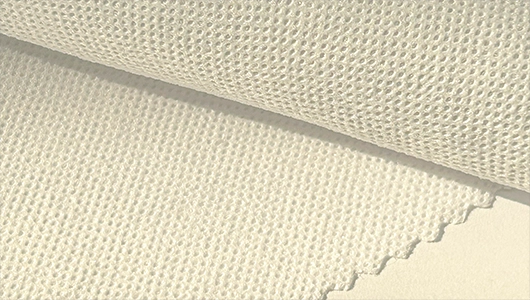
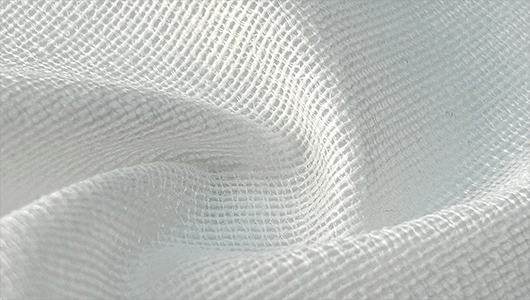
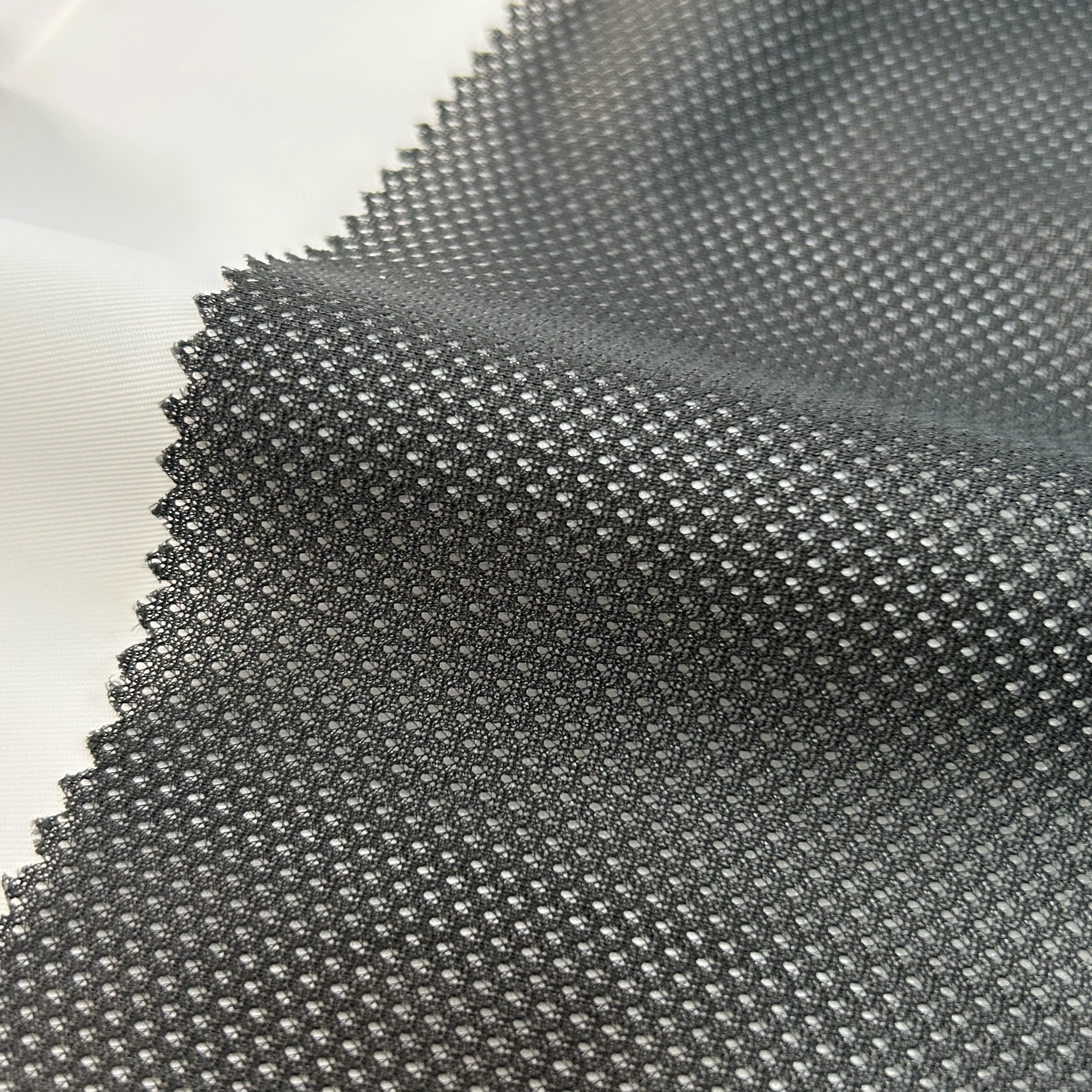
On the basis of meeting the above basic requirements, high-performance interlinings realize active regulation of the cabin "microclimate" through innovative physical structural designs (such as three-dimensional hollow structure and precision mesh), which constitutes their core value.
Traditional interior materials tend to cause airtightness, while functional interlinings construct a highly efficient air circulation channel between the interior surface fabric and the filling layer. During high-temperature summer conditions or long-distance driving, this structure can significantly improve the heat dissipation efficiency of contact surfaces, accelerate the discharge of moisture and heat, fundamentally solve the problem of stuffiness and sweating on the back and hips, and greatly enhance physical comfort.
III. Diversified Application Scenarios and Value Realization
Relying on the dual advantages of "basic properties" and "advanced functions", such materials have been widely applied to key parts of automotive interiors:
1. Seat and Cushion Systems
Serving as the comfort layer or composite base fabric of seats, it provides cushioning support while ensuring air microcirculation, being a key structure to solve the problem of "stuffiness from prolonged sitting".
2. Environmental Heat Insulation Systems
Applied to sunshades and car roofs, it utilizes its structure to achieve heat insulation, light shading and auxiliary sound absorption, effectively reducing the temperature load of the in-car environment.
3. Sanitary Protection Systems
Used as the bottom layer of car floor mats, its air permeability prevents moisture accumulation under the carpet and inhibits mildew and peculiar smell generation.
4. Interior Composite Processes
Acting as the laminating layer in soft-covered components such as door panels and instrument panels, its excellent resilience and open structure can not only help the surface fabric fit complex curved surfaces perfectly and prevent wrinkling, but also ensure firm bonding and long-term flatness.
Conclusion
The innovation of modern automotive interiors deeply relies on the advancement of materials. High-performance functional interlinings achieve the leap from meeting basic needs to upgrading quality experience through the dual capabilities of "consolidating the foundation of safety, environmental friendliness and durability" and "endowing intelligent and regulatory comfort functions". As a source factory, we deeply understand the systematic performance requirements of this material, and are committed to providing partners with reliable and leading interlining solutions through continuous material innovation and process refinement, jointly driving the evolution of automotive cabins towards a safer, healthier and more comfortable future.