














Invisible Safety and Quality: How Fluorescent-Free Pocket Lining Interlining Becomes the "Internal Benchmark" for High-End Apparel
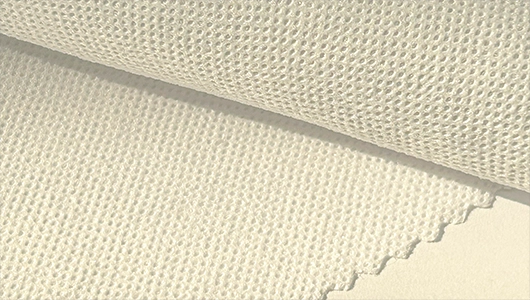
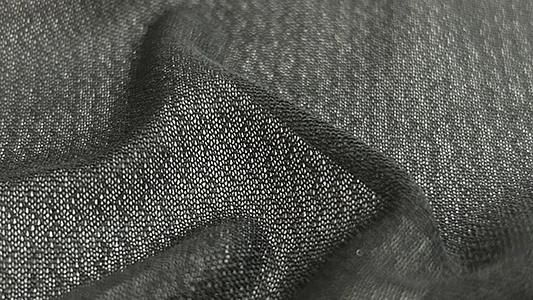
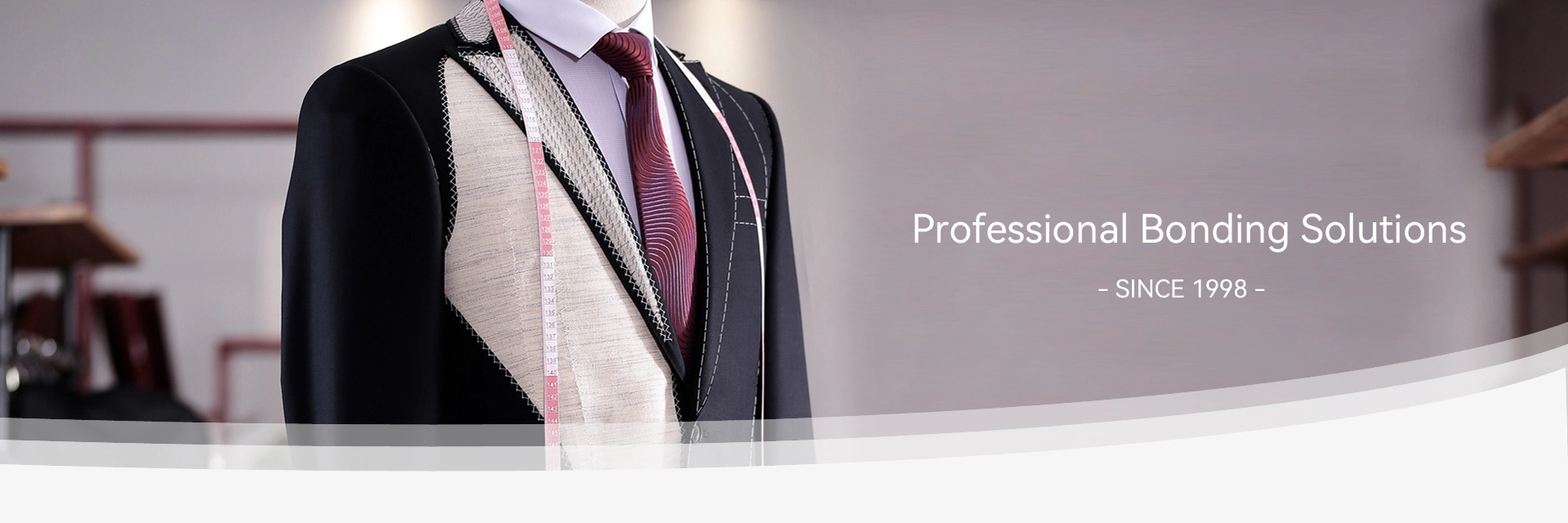
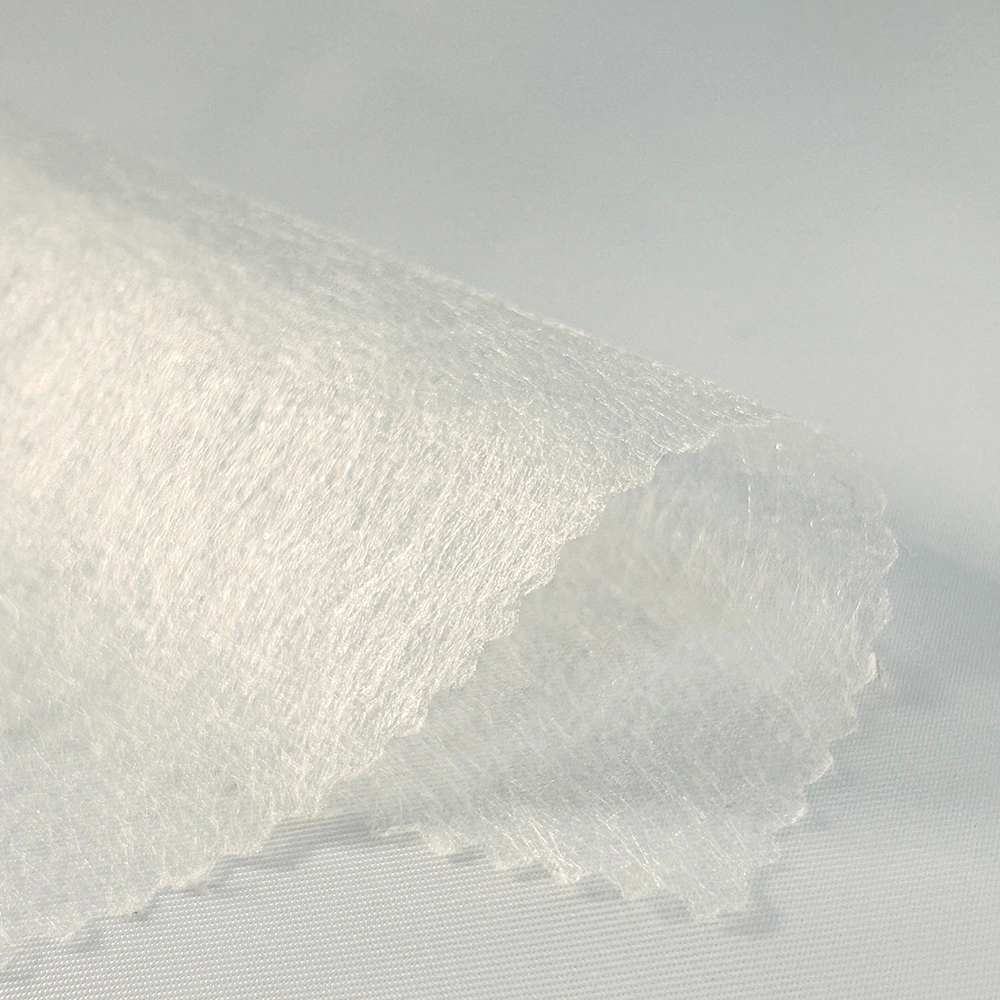
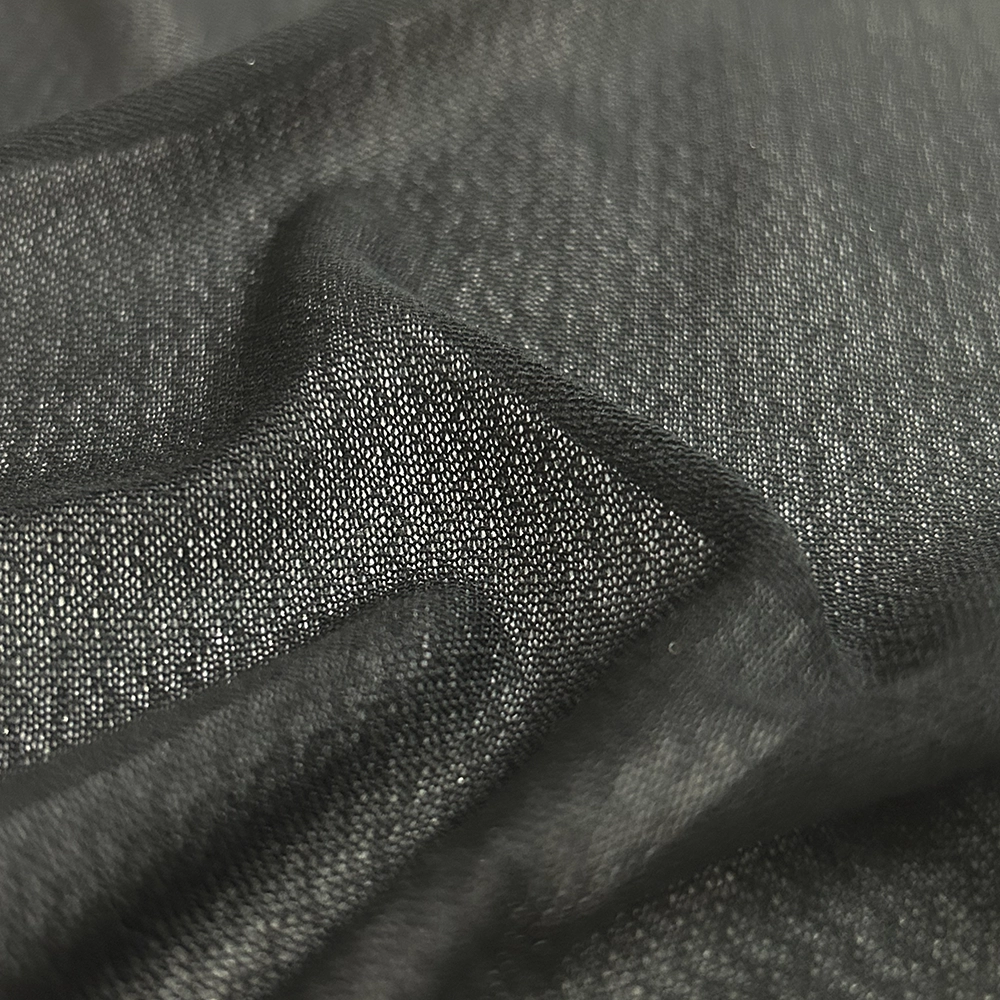
Pocket linings come into contact with personal belongings and may be close to the skin, while interlinings attached to their inner side play a role in shaping and reinforcement. With the deepening focus on ecological safety and internal quality in the textile industry, fluorescent-free pocket lining interlinings have evolved from a high-specification requirement to a key indicator reflecting apparel quality and safety responsibility.China Fluorescent-Free Pocket Lining Manufacturer
I. Essential Definition
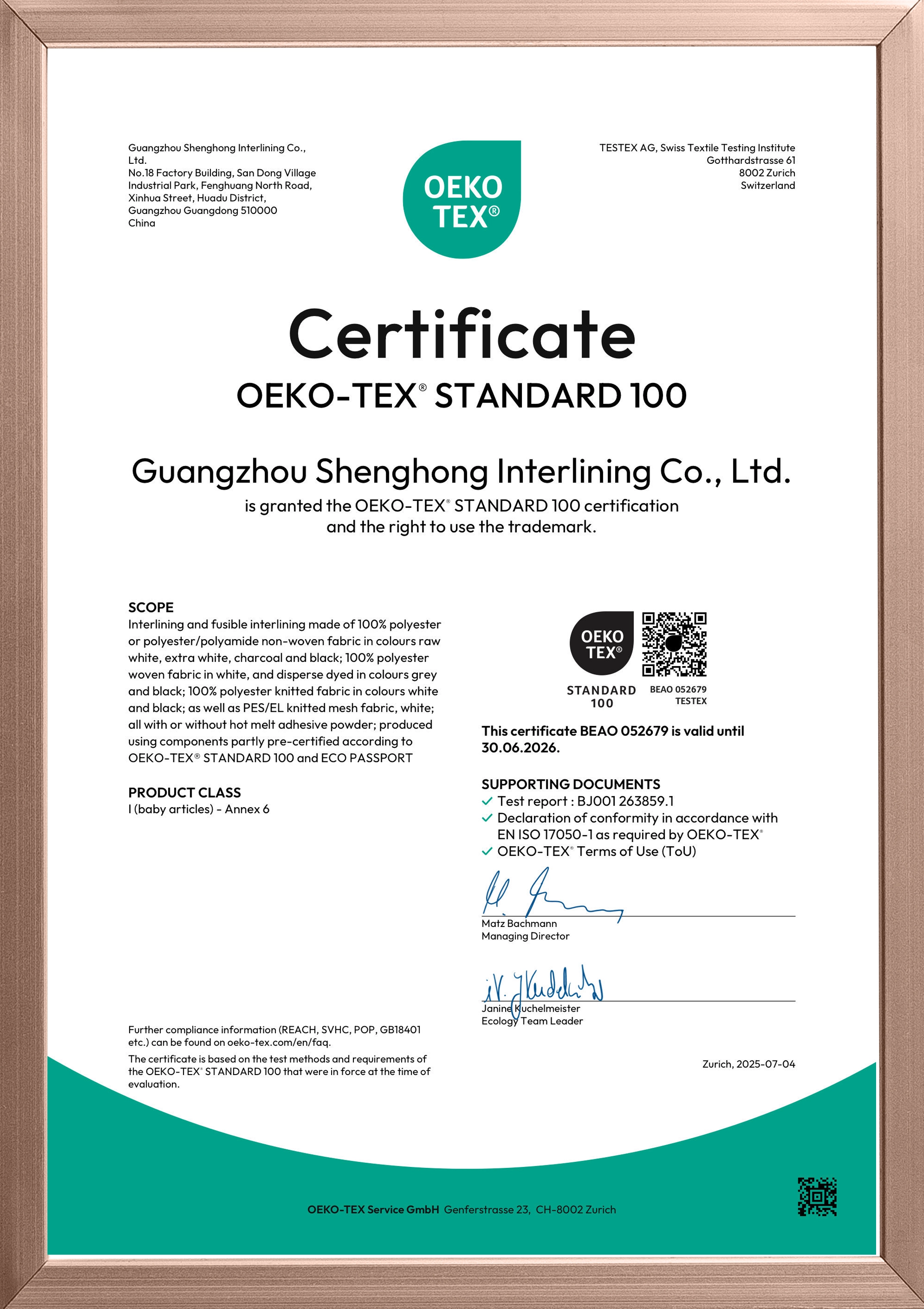
No migratory fluorescent brighteners are added throughout the entire production process of pocket lining interlinings—from yarn spinning, weaving, dyeing and finishing to setting. Such additives achieve "whitening and brightening" effects by means of optical compensation to mask the base color, yet they carry the risk of chemical migration. The dosage of non-migratory fluorescent brighteners (which pose no safety risks) must be strictly controlled, and the weak inherent fluorescence of natural fiber substrates is not subject to regulatory control.
II. Application Value
The necessity of fluorescent-free pocket lining interlinings is particularly prominent in the following core application scenarios, as they not only ensure safety and compliance but also meet the quality requirements of high-end apparel:
1.Children's Clothing and Intimate Apparel
This is a core scenario for upholding the bottom line of safety. Infants and young children have sensitive and fragile skin, and they may unintentionally bite clothing and pocket parts. Pocket linings are components that directly contact the skin or personal items, and interlinings are closely attached to the inner side of linings. If either of them contains migratory fluorescent brighteners, they will pose the same potential safety hazards. Fluorescent-free treatment can greatly eliminate the risk of migration of related chemical substances.
2.High-End and Light-Colored Fashion Apparel
- Color Fidelity: For trousers, coats or shirts made of lightweight fabrics in colors like white, light khaki and light pink, if the interlining contains fluorescent components, the cool blue light reflected by it can easily show through the lining and fabric faintly, causing chromatic light pollution, local grayishness or a stained appearance, which seriously undermines the color purity of the design. Fluorescent-free interlinings can avoid such problems from the source, serving as an internal support to ensure the color consistency and premium feel of apparel.
- Quality Commitment: As a concealed auxiliary material, the fluorescent-free compliance of interlinings is a concrete manifestation of a brand's pursuit of "consistent quality both inside and out". It is also a core highlight of interlining manufacturers in providing refined supporting services for brand customers, helping brands build consumer trust.
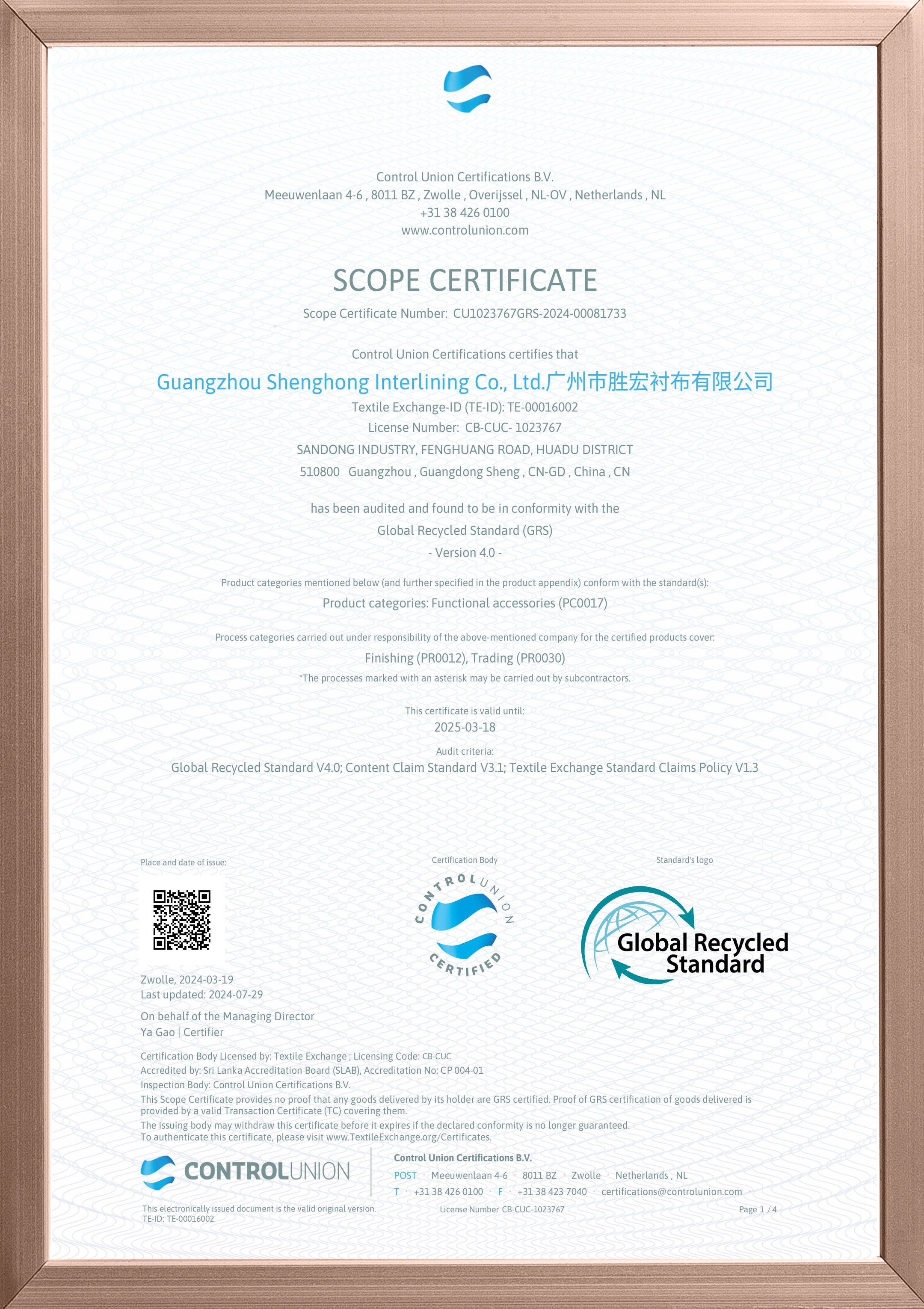
3.Products of Eco-Conscious BrandsFor brands that take environmental protection as their core value, fluorescent-free treatment is an important extension of reducing the overall chemical footprint of products and practicing green manufacturing. Interlining manufacturers adopting fluorescent-free processes can help brands improve their green supply chain systems, accurately align with their environmental concepts and market communication needs, and achieve environmental collaboration across the upstream and downstream of the supply chain.China shenghong interlining manufacture
Conclusion
Fluorescent-free pocket lining interlining is a product of the combined effects of upgraded industry standards, growing consumer expectations for safety, and evolving manufacturing concepts. It turns the originally concealed combination of interlining and lining into an important benchmark for measuring the overall safety and quality of apparel. As an interlining manufacturer, practicing fluorescent-free processes is not only a reflection of fulfilling safety responsibilities but also a professional practice to access the high-end apparel supply chain and enhance core competitiveness, providing brand customers with an integrated auxiliary material solution that combines "safety, functionality and compliance".