






Fabric and Interlining Matching Guide: Application of Interlinings for Silk, Wool, and Linen-Cotton Fabrics
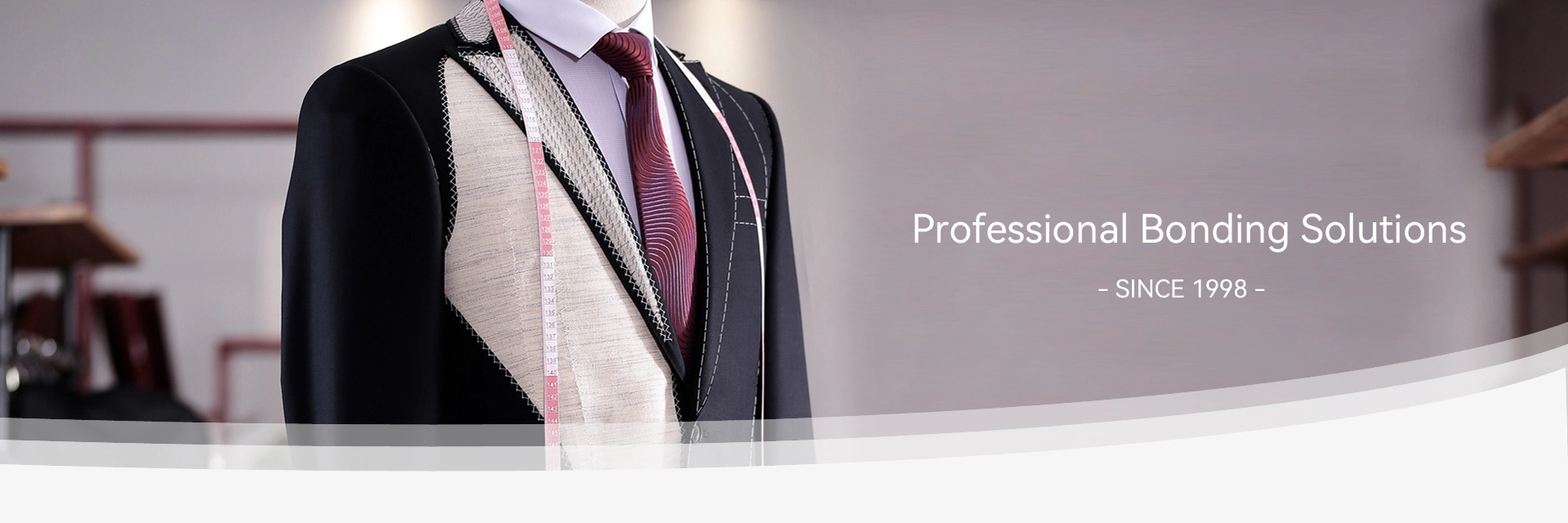
In the process of clothing design and production, the selection of interlinings directly affects the structure, shape, and wearing experience of finished garments. Different fabrics require matching interlining types based on their fiber characteristics, style performance, and process requirements.China shenghong interlining manufacturer
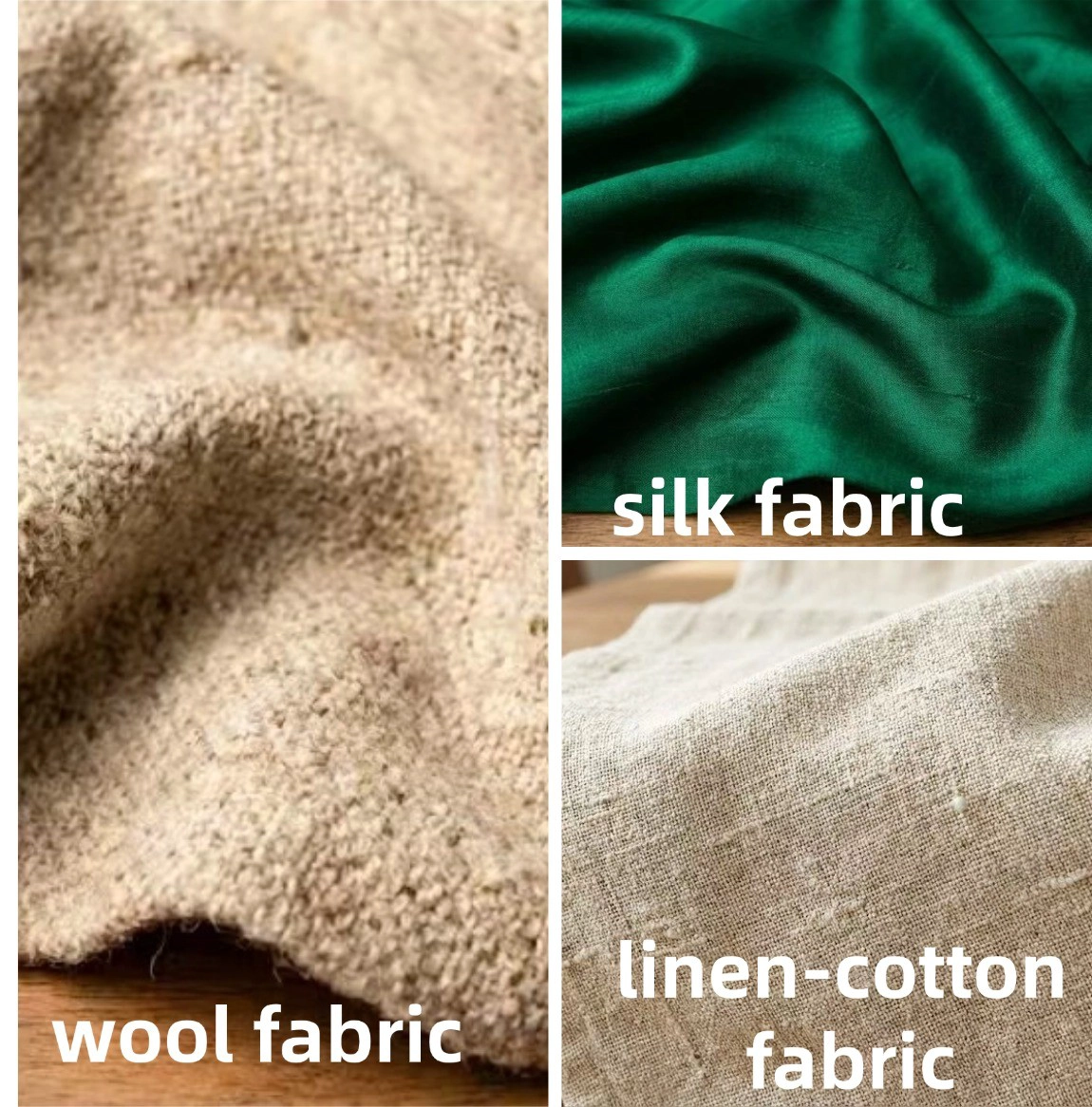
I. Interlining Selection for Silk Fabrics
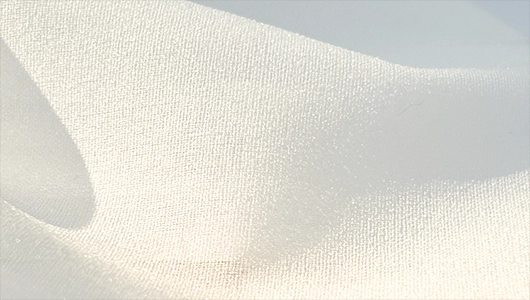
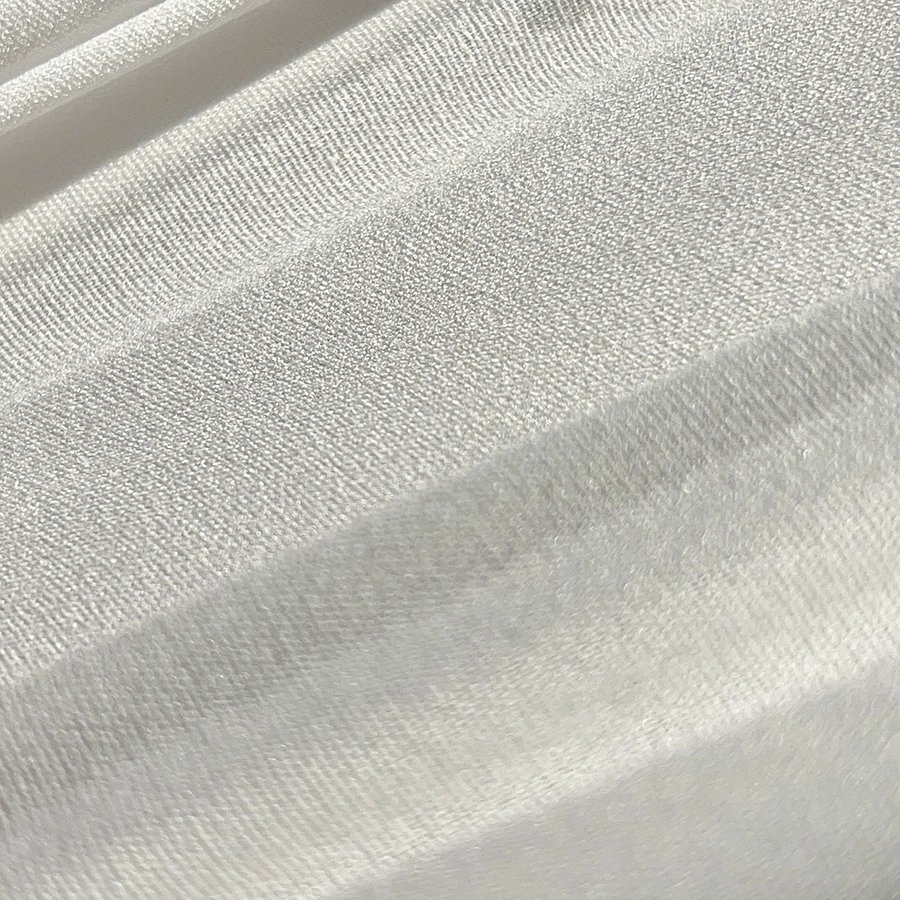
Silk fabrics feature light texture, soft luster, and smooth hand feel, yet with moderate strength, poor wrinkle resistance, and difficulty in shaping. The selection of interlinings shall follow the principle of "lightness, thinness, and softness" to avoid damaging the natural texture of silk.China interlining strength manufacturer
Application Recommendations
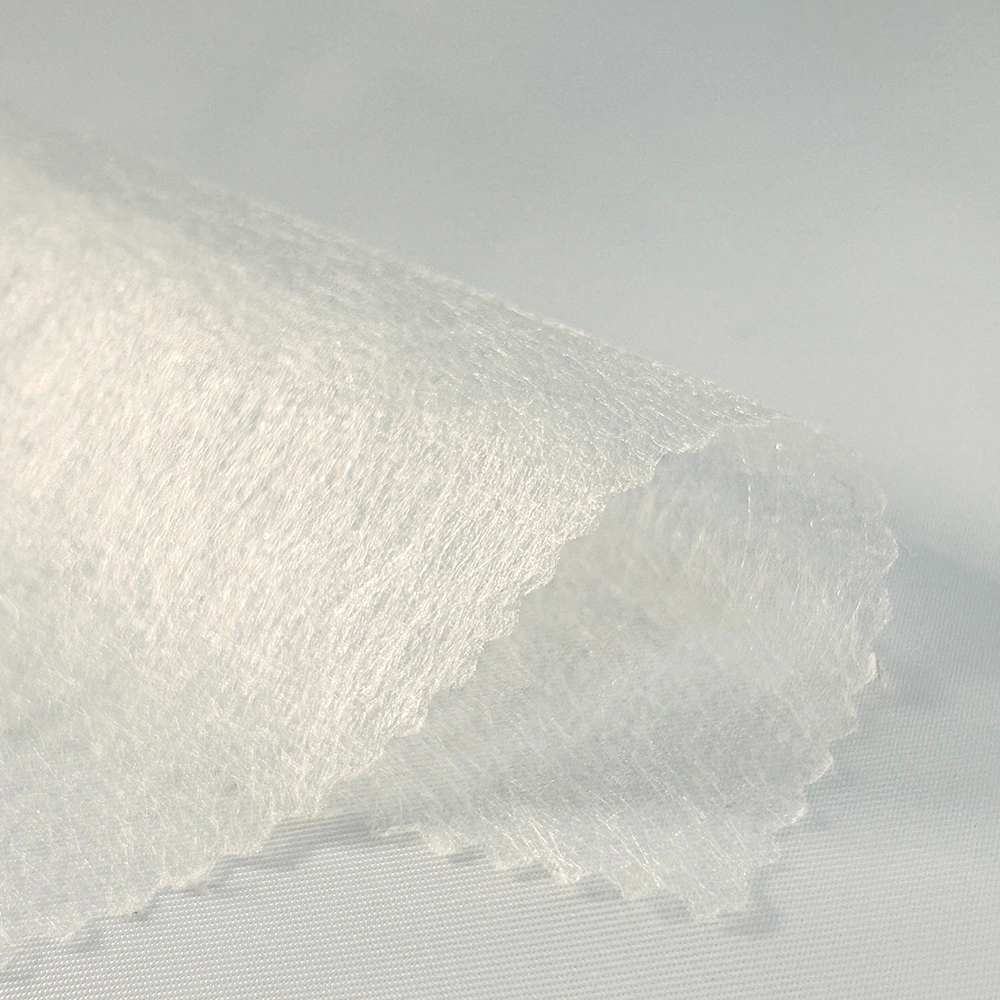
- Silk Shirts: It is recommended to use 15D–20D ultra-thin warp-knitted interlining or 30D ultra-soft chiffon interlining. With fine yarn count and high fit, such interlinings can provide moderate support for collars, plackets, and other parts while maintaining the elegance and invisibility of the fabric.
- Silk Dresses: It is advisable to use 25–35D chiffon interlining as the main interlining for key structural parts such as collars, shoulders, and plackets; supplemented by 25–35D double-sided fusible interlining for details like splicing and binding to prevent yarn fraying and enhance reinforcement.
- Silk Pajamas and Homewear: 25D chiffon interlining is preferred, which balances softness and skin-friendliness to avoid friction against the skin.
Process Notes
- Avoid using thick resin interlinings to prevent glue penetration, hardening, or blistering after washing.
- The ironing temperature is recommended to be controlled below 130℃ to prevent yellowing and embrittlement of the fabric.
- Sample testing shall be conducted before mass production, as different batches of silk may react differently to adhesives.
- For finished garments requiring washing treatment, PA adhesive interlinings with better hydrolysis resistance are recommended.
II. Interlining Selection for Wool Fabrics
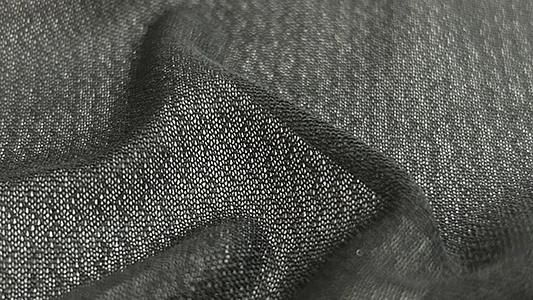
Wool fabrics boast excellent elasticity, warmth retention, and drapability, but are prone to shrinkage and felting. The selection of interlinings shall balance shaping performance and dynamic comfort to maintain the natural structure of wool.
Application Recommendations
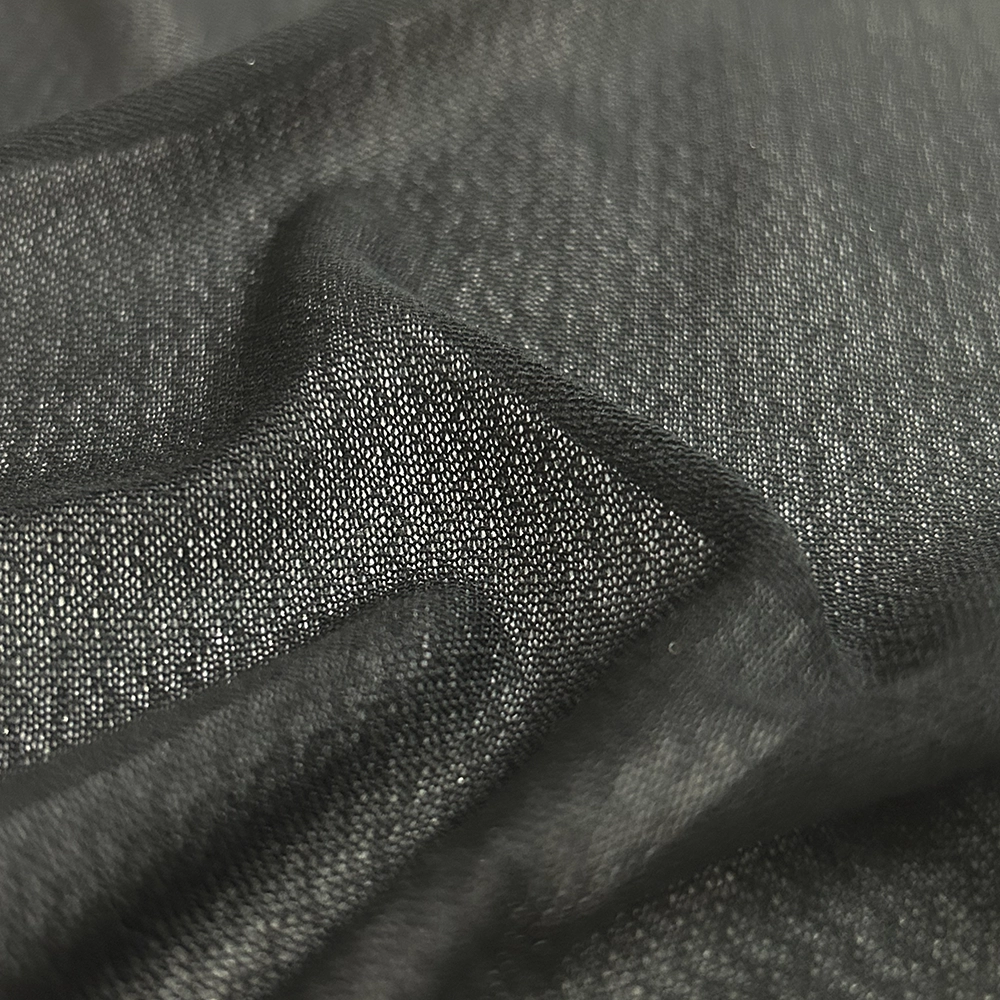
- Wool Suits: 45–70D full wool interlining or high-grade horsehair interlining is suitable for key parts such as front panels, lapels, and collar undersides to shape a full, stiff, and natural suit silhouette.
- Wool Overcoats: 55–80D resin interlining or fusible interlining can be used for full-body or front-panel lining to enhance support, maintain the silhouette, and improve wrinkle resistance.
- Wool Trousers and Skirts: Special waist interlining or thin fusible interlining is recommended for the waist to keep the waist shape stable and avoid loosening and deformation.
- Wool Knitwear: 25–40D elastic interlining can be used for collars, plackets, and other positions to achieve slight shaping while retaining the inherent elasticity of the fabric.
Process Notes
- Interlinings shall not be overly thick or hard to avoid affecting the natural drapability and dynamic comfort of wool.
- Low-temperature adhesive interlinings (e.g., PA adhesive interlinings) should be selected to prevent felting and hardening of wool caused by high temperatures.
- For washable finished garments, hydrolysis-resistant adhesive interlinings must be used to prevent degumming or blistering.
- Interlinings for overcoats need to balance support and softness to avoid excessive hardening that affects the elegance of the garment.
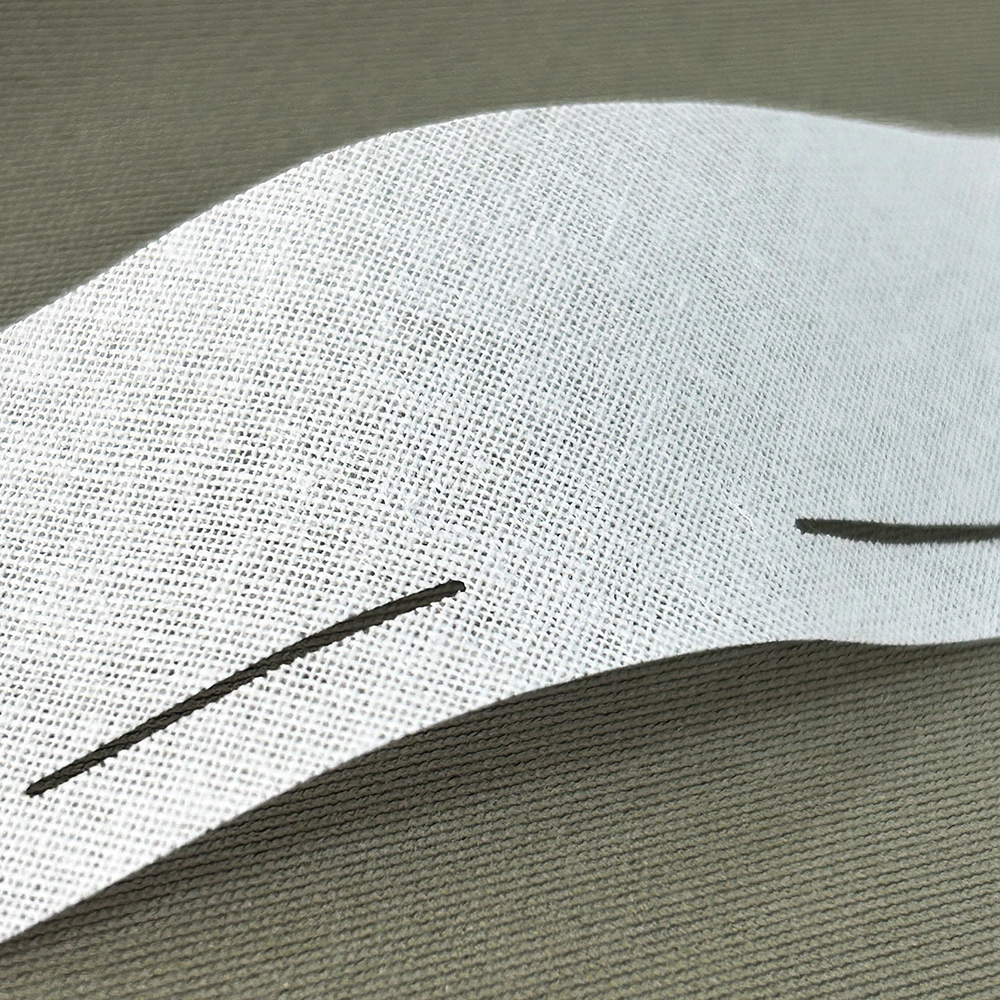
III. Interlining Selection for Linen-Cotton Fabrics
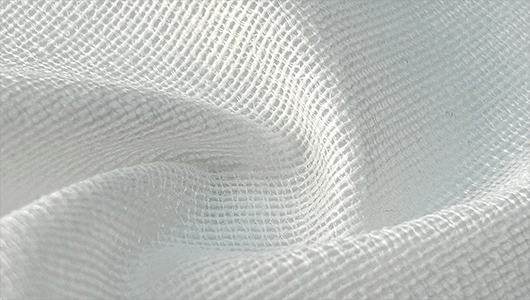
Linen-cotton fabrics have good air permeability, natural texture, and simple style, but are prone to wrinkling and shrinkage. The selection of interlinings shall focus on maintaining the natural texture and comfort of the fabric while providing moderate shaping for key parts.
Application Recommendations
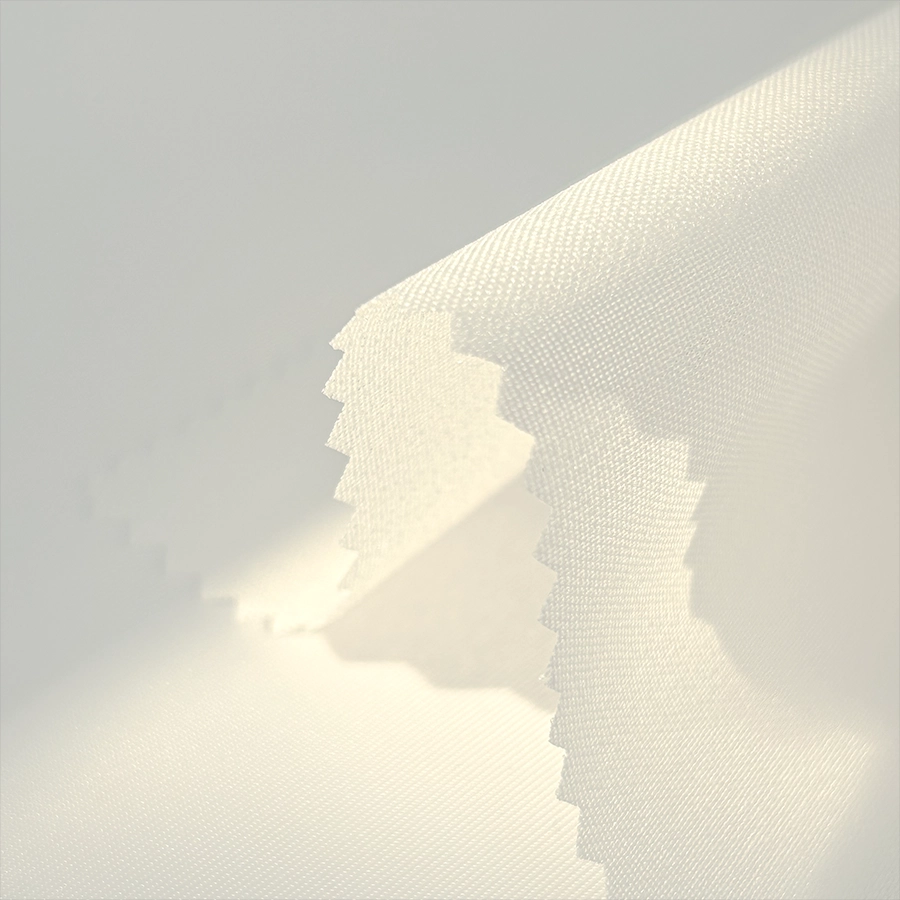
- Linen-Cotton Shirts: 30–50D thin fusible interlining or pure cotton interlining is recommended for collars and plackets to achieve lightweight shaping while maintaining the texture and air permeability of the fabric.
- Linen-Cotton Dresses: 200–300 grade warp-knitted interlining or chiffon interlining can be partially used for collars, shoulders, waistbands, and other parts to shape the structural silhouette, while the hem and skirt body should maintain natural drape.
- Linen-Cotton Trousers: Waist interlining or thin resin interlining is recommended for the waist to ensure a stiff and stable waist shape.
- Linen-Cotton Jackets and Coats: 40–60D medium-thick fusible interlining or resin interlining can be matched for key parts such as front panels, collar undersides, and pockets to enhance the silhouette and wear resistance while retaining the natural hand feel of the fabric
Process Notes
- Preshrinking treatment is recommended for interlinings before use to prevent wrinkling after washing caused by inconsistent shrinkage rates between the fabric and the interlining.
- The ironing temperature shall not be too high, generally not exceeding 130℃, to avoid hardening or fading of the fabric.
- Avoid using overly hard interlinings to maintain the natural texture and wearing air permeability of linen-cotton fabrics.